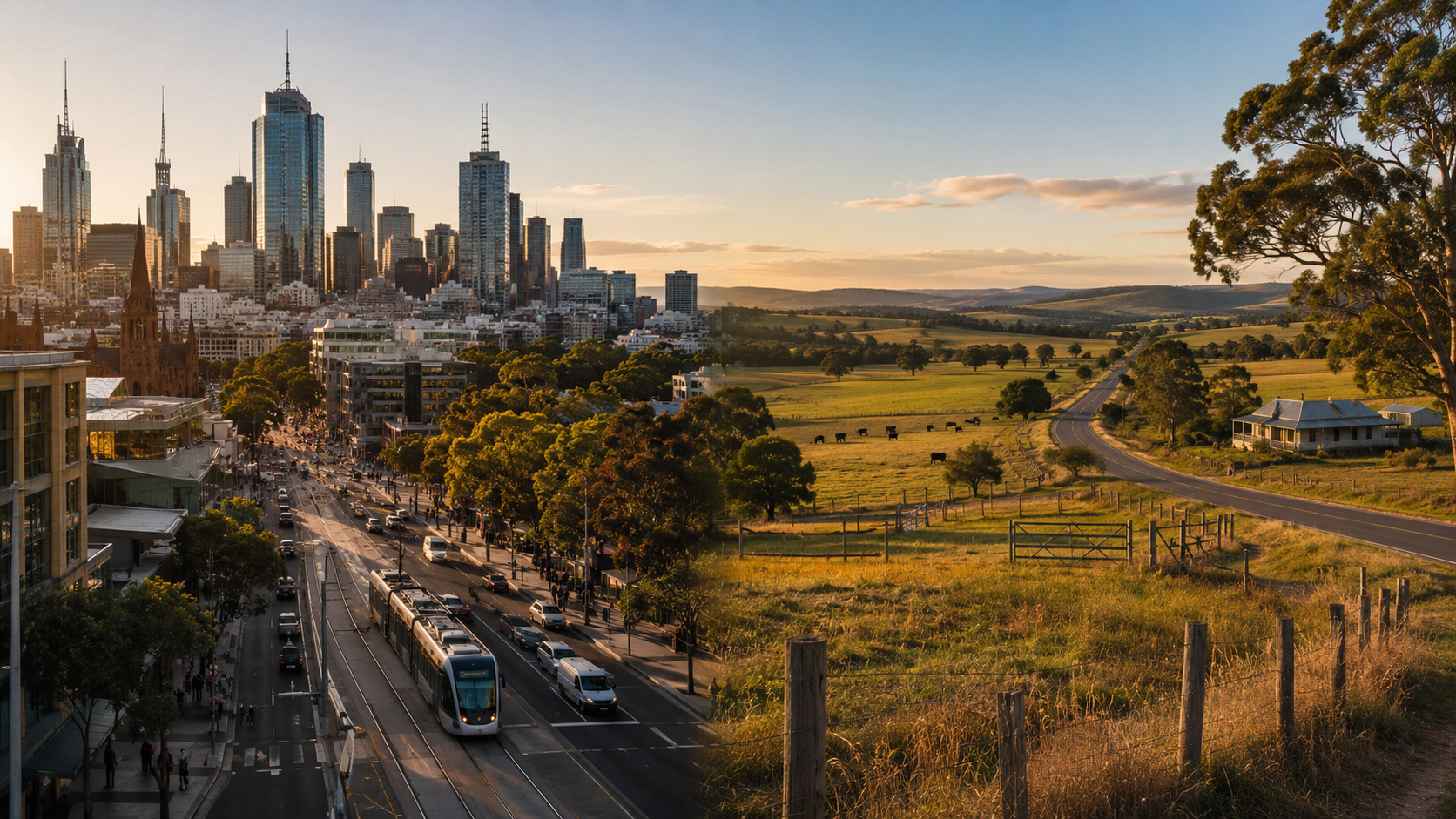
Australia offers two very different ways of living: the fast, connected rhythm of its major cities and the quieter, more spacious lifestyle of its rural and regional areas. Although both settings are part of the same country, daily life in Sydney, Melbourne, Brisbane, Perth, or Adelaide can feel very different from life in farming towns, coastal villages, inland communities, or remote settlements. The contrast is not only about population size. It also affects employment, housing, transport, social relationships, education, healthcare, and personal values.
City life in Australia is often associated with opportunity and convenience. Large urban centres provide access to diverse industries such as finance, technology, education, healthcare, tourism, construction, creative media, and professional services. For many people, especially students, migrants, and young professionals, cities offer a wider range of career paths and networking opportunities. Universities, training institutions, hospitals, shopping centres, entertainment venues, and cultural events are also concentrated in metropolitan areas. This makes urban life attractive to those who want variety, ambition, and constant activity.
However, the advantages of city living often come with pressure. Housing in major Australian cities can be expensive, particularly in inner suburbs or areas close to beaches, business districts, and public transport. Many residents live in apartments, townhouses, or smaller homes because land is limited and demand is high. Traffic congestion, crowded trains, busy streets, and long commuting times can also affect quality of life. Even though cities provide many services, the pace can feel stressful, and social connections may sometimes be less personal because people are often busy and mobile.
Rural life in Australia presents a different experience. Space, nature, and community are usually stronger features of everyday living. In small towns or agricultural regions, people may know their neighbours, local shop owners, teachers, and community leaders personally. Social life often revolves around schools, sports clubs, local markets, volunteer groups, churches, community halls, and regional festivals. Compared with urban areas, rural communities can offer a stronger sense of belonging and mutual support.
The rural economy is also distinctive. Employment may depend on agriculture, mining, forestry, fishing, tourism, local government, education, healthcare, or small business. In some regions, seasonal work is common, especially in fruit picking, farming, and tourism. While the range of jobs may be narrower than in big cities, rural areas can provide practical, hands-on careers and a close connection to the land. For families who value outdoor living, slower routines, and open space, rural Australia can be highly appealing.
Still, rural living has challenges. Access to specialist healthcare, universities, public transport, and entertainment may be limited. Distances between towns can be long, and owning a car is often essential. Internet and mobile coverage may vary in remote areas, although digital connectivity has improved in many regions. Young people sometimes leave rural communities to study or work in cities, creating demographic and economic challenges for smaller towns.
The choice between city and rural life in Australia depends on priorities. Cities offer variety, career growth, services, and cultural diversity. Rural areas offer space, community, nature, and a slower lifestyle. Neither is automatically better. Each reflects a different balance between convenience and calm, opportunity and affordability, independence and belonging.
