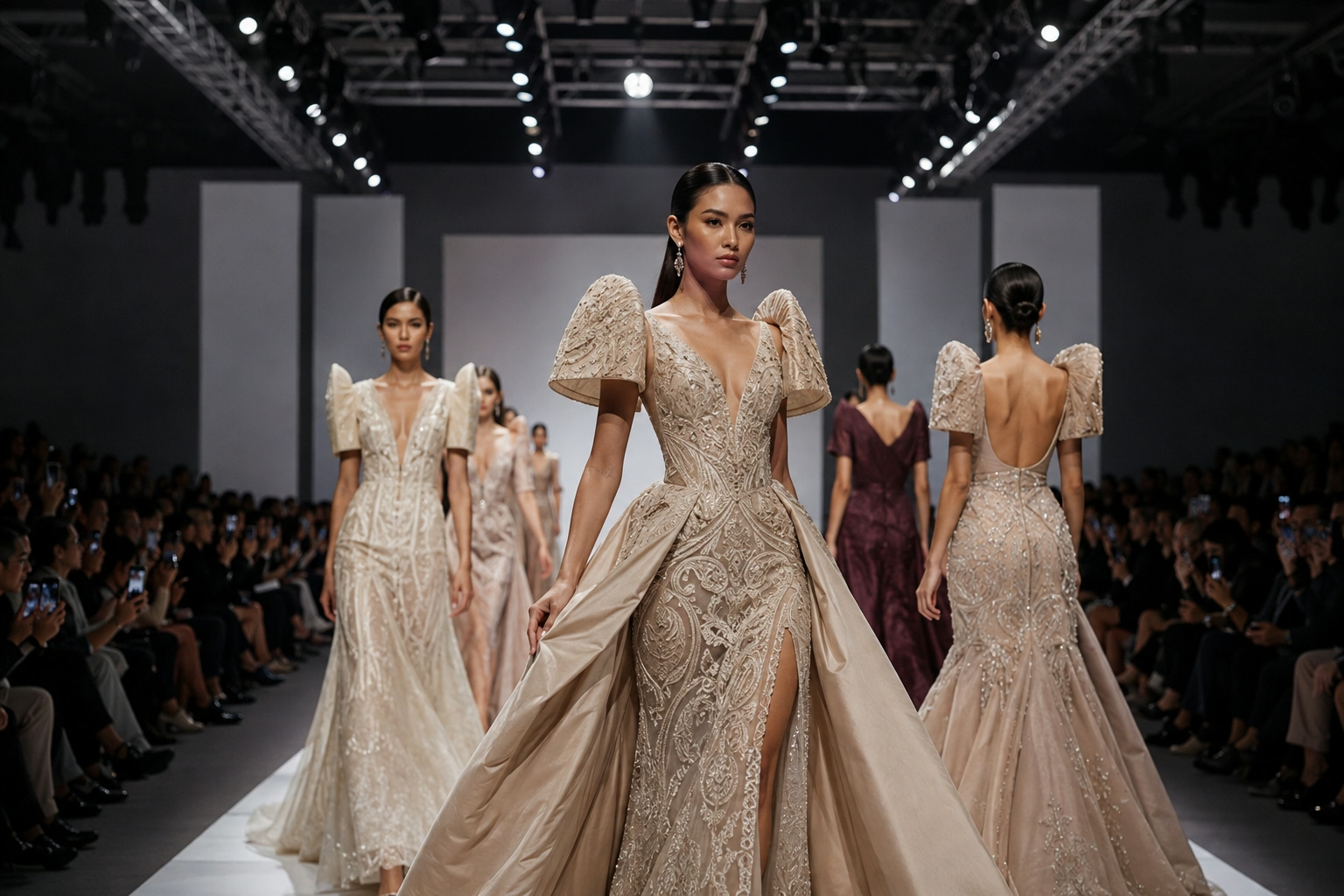
Ancestral Craft Meets Modern Luxury
Indigenous textiles from the Philippines have moved from cultural preservation projects to commercial assets in the global luxury market. Designers are incorporating handwoven piña, abaca, and T’nalak into contemporary garments that appeal to buyers seeking authenticity and traceability. This development has redefined the Philippine fashion narrative, making heritage materials a central selling point rather than a niche aesthetic.
T’nalak, Piña, and Abaca Enter the Luxury Lexicon
T’nalak, woven by the T’boli people of Mindanao, is now featured in high-end resort wear and evening pieces. Piña, made from pineapple leaf fibers, has become a preferred material for formal Filipiniana attire and is increasingly used by European ateliers for summer collections. Abaca, known for its strength and sheen, is being blended with silk to create durable luxury textiles. These materials offer a rare combination of sustainability and cultural storytelling that resonates with modern consumers.
Designers Preserving Cultural Craft on International Runways
A new generation of Filipino designers is working directly with weaving communities to ensure fair compensation and authentic representation. Labels like Filip+Inna and Anthill Fabric Gallery have built business models around community-based production. Their collections have appeared in international showcases, proving that ethical sourcing can coexist with high fashion. This approach also protects intangible cultural heritage by giving weavers a steady income and a stake in the final product.
International Collaborations and UNESCO Recognition
The global visibility of Philippine textiles has been amplified by collaborations with foreign fashion houses and cultural institutions. UNESCO’s recognition of certain weaving traditions has further validated their value. In 2026, several Philippine textile organizations reported increased inquiries from European and Japanese designers interested in sourcing handwoven fabrics. These collaborations often include capacity-building programs that improve dyeing techniques and quality control.
Market Data Confirms a Shift Toward Slow Luxury
The Philippine Textile Research Institute (PTRI) reports renewed demand for indigenous fibers, driven by luxury brands seeking traceable materials and lower environmental impact PTRI. This trend aligns with global consumer surveys showing that more than 60 percent of luxury buyers under 40 prioritize sustainability and cultural authenticity. Philippine textiles are well positioned to capture this segment because they are inherently small-batch and handmade.
The integration of indigenous textiles into global luxury is not merely a trend; it is a structural repositioning of Philippine fashion. As more designers invest in supply chain transparency and artisanal partnerships, the country’s heritage materials are likely to become even more visible in international collections.
