The Equipment Is There. The Confidence Is Not.
At the 2026 Society of Precision Agriculture Australia (SPAA) Precision Ag Expo in Toowoomba, initial national data delivered a striking finding: while 82 per cent of participating growers already own machinery capable of variable rate technology (VRT), 71 per cent continue applying blanket fertiliser rates . SPAA Executive Officer Angelique McAvoy put it bluntly: “These findings tell us growers aren’t lacking equipment, they’re lacking support” . The gap is not technological. It is human and economic.
The Business-Case Barrier
The SPAA data aligns with separate survey work. A November 2025 survey of 220 grain growers, conducted by Grain Producers Australia with SPAA and the Tractor Machinery Association, found that 44 per cent now report using some form of autonomous machinery — most commonly semi-autonomous modes such as autosteer, guidance, and section control . Yet advisers at the 2026 Australian Precision Agriculture Symposium noted that the barrier to adoption is “less about the technology itself and more about whether the business case stacks up” .
This is a critical distinction. Australian growers are not Luddites. They are rational operators in a low-margin, high-risk industry. When a technology’s return on investment is uncertain — especially when fertiliser and fuel prices are volatile — caution is a business strategy, not a failure.
The Global Supply-Chain Wildcard
The SPAA findings landed against a backdrop of instability in the Middle East, which drew fresh attention to the vulnerability of global supply chains that Australian agriculture relies on, particularly for fertiliser and fuel . That context sharpens the stakes. Precision agriculture is not just about yield optimisation; it is about input efficiency. If a grower can use variable rate technology to apply less fertiliser without sacrificing yield, that is a direct hedge against supply-chain shocks. The technology exists. The challenge is translating that strategic value into a farm-level decision that feels safe.
The Real-World Case: What Changes When Support Arrives
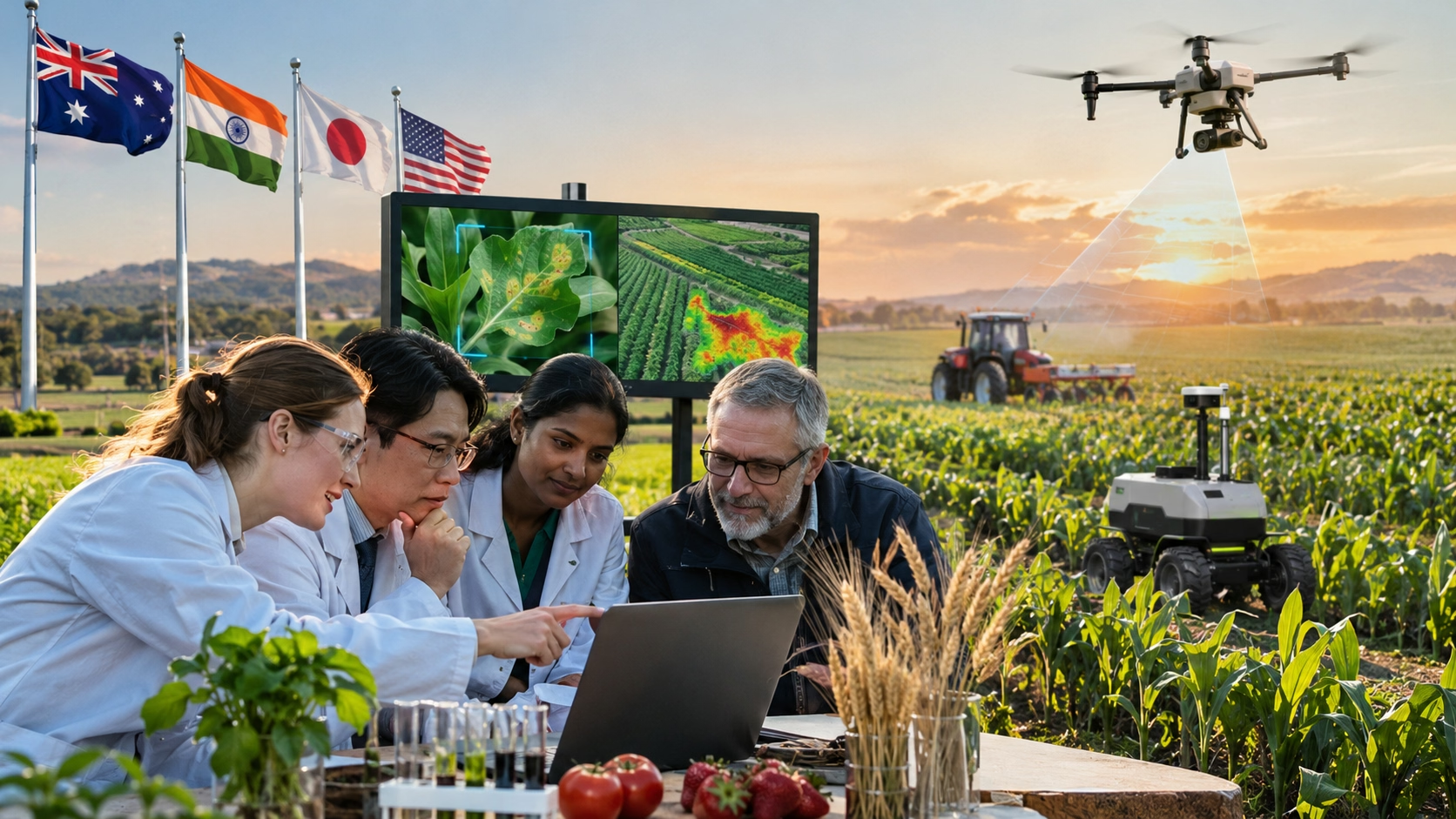
The SPAA Expo itself functioned as a live experiment in closing the gap. Sessions covered mapping variability, digital zoning for herbicide placement, satellite-driven spot spraying, and on-farm irrigation automation . A panel of innovators from SwarmFarm Robotics, DataFarming, Flux Robotics, and Syngenta addressed the widening gap between available technology and grower confidence . The message was consistent: the next stage of Australian precision agriculture will be won not by newer sensors, but by extension, peer-to-peer learning, and transparent ROI modelling. The 82-versus-71 statistic is not a criticism of farmers. It is a roadmap for the industry’s next investment priority.
