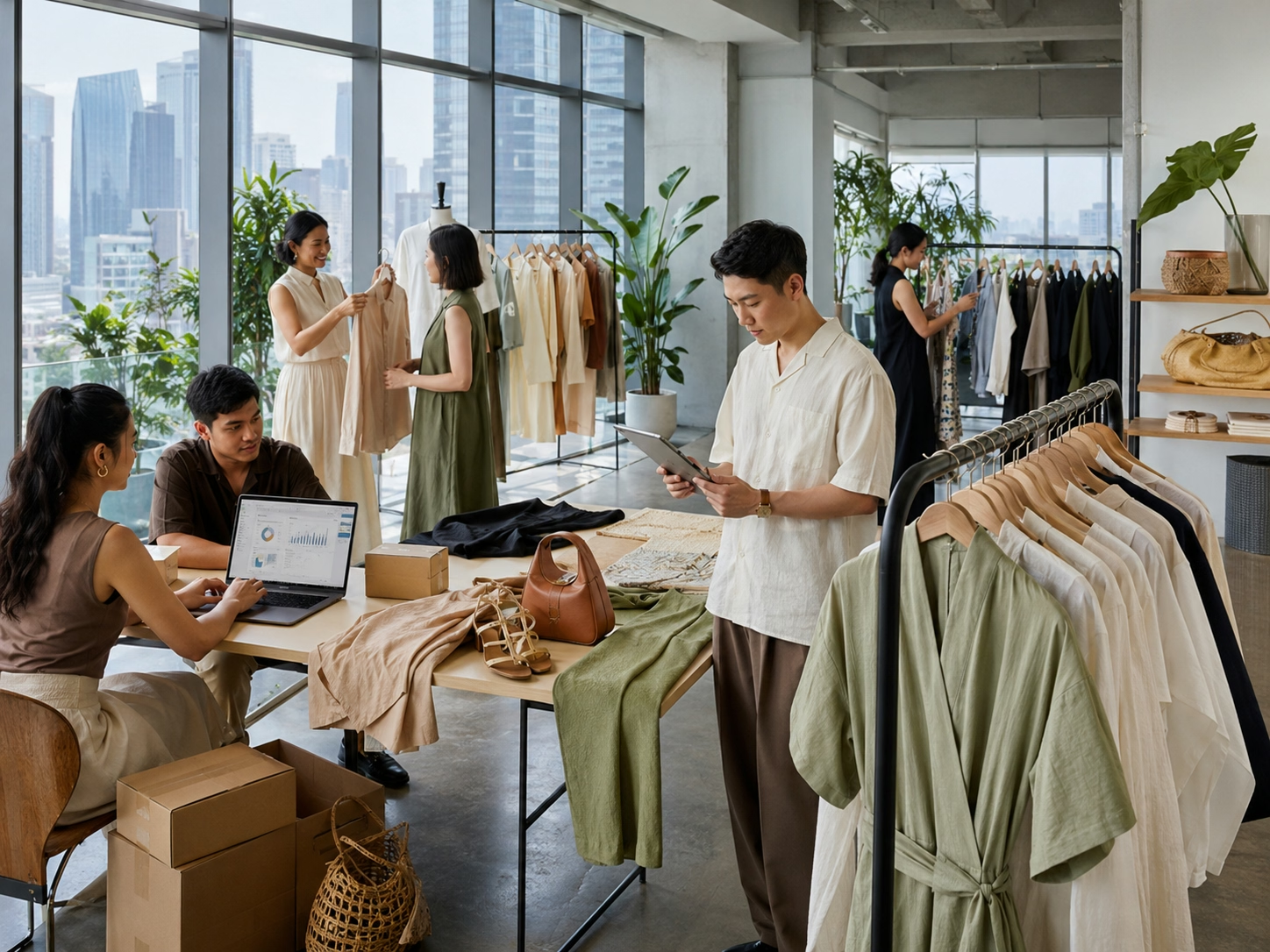
Within the gleaming skyscrapers of Singapore, a quiet revolution is taking place in the wardrobes of the nation. The focus is no longer solely on the silhouette of a garment but on its lifecycle and environmental footprint. As the global backlash against fast fashion intensifies, Singaporean designers are positioning themselves as leaders in the circular economy, tackling the immense waste problem that has plagued the industry for decades.
The Circular Economy in Practice
The traditional linear model of “take, make, dispose” is being dismantled by local entrepreneurs who are integrating circularity into their core business models. Brands are increasingly adopting “clothing rental” platforms and take-back schemes where old garments are collected, shredded, and re-spun into new fabrics. This is a significant shift in a city-state where land scarcity makes landfills an unsustainable option. The move towards circularity is not merely a marketing gimmick but a necessity driven by Singapore’s Zero Waste Masterplan.
Material Innovation and Bio-fabrication
The future of Singaporean fashion lies in the laboratory. Designers are collaborating with biotech firms to create bio-fabricated leathers derived from fruit waste and mycelium, avoiding the harmful chemicals used in traditional tanning. Furthermore, the upcycling movement has gained mainstream traction. High-end boutiques now feature collections made from deadstock fabrics or repurposed vintage garments. This approach not only reduces waste but also creates one-of-a-kind pieces that appeal to consumers seeking individuality in a mass-produced world.
Consumer Education and Transparency
A key pillar of this sustainable shift is transparency. Modern Singaporean consumers are demanding proof, not just promises. Blockchain technology is being tested by local logistics companies to track the supply chain of garments, ensuring fair labor practices and verifying the authenticity of organic materials. The National Environment Agency (NEA) has launched several campaigns to encourage responsible consumption, shifting the cultural mindset from buying cheaply to buying well. This educational push is fostering a generation of consumers who view their purchases as investments in the planet’s future, compelling even major global brands to adjust their strategies within the Singaporean market.
