The New Face of Daily Consumption
Across Malaysia, globalisation can be seen most clearly in the way people consume. A family in Subang Jaya may order Korean fried chicken through a delivery app, stream a British drama after dinner, pay bills through online banking, and buy locally made batik from a seller who markets products on Instagram. These habits show how global culture and digital platforms have entered ordinary routines.
The rise of Malaysia’s digital economy, supported by agencies such as the Malaysia Digital Economy Corporation, has accelerated this shift. Digital platforms have allowed small businesses, home-based sellers, and creative workers to reach customers far beyond their physical location.
From Local Shops to Platform Life
Convenience as a Social Force
In the past, shopping was often tied to neighbourhood relationships: the wet market, the sundry shop, the pasar malam, or the family-run restaurant. These spaces still matter, but they now compete with e-commerce platforms, cashless payments, and same-day delivery.
Convenience has become a major social value. Many Malaysians now plan their day around app-based services, from transport and food to groceries and parcel tracking. This has reduced physical barriers, especially for busy workers, students, elderly people, and parents. But it has also changed the meaning of community interaction. A transaction that once involved conversation may now happen silently through a screen.
Global Brands With Malaysian Adaptation
Globalisation does not mean Malaysians simply abandon local taste. Instead, global products are often localised. Fast-food chains introduce sambal-inspired menus. International fashion brands adjust to modest wear preferences. Coffee culture blends with kopitiam traditions. Beauty products are marketed around tropical weather, halal concerns, and Asian skin tones.
This adaptation reveals an important social pattern: Malaysians are selective global consumers. They embrace international trends but reshape them to fit local norms, religions, languages, and lifestyles.
The Household Economy Under Pressure
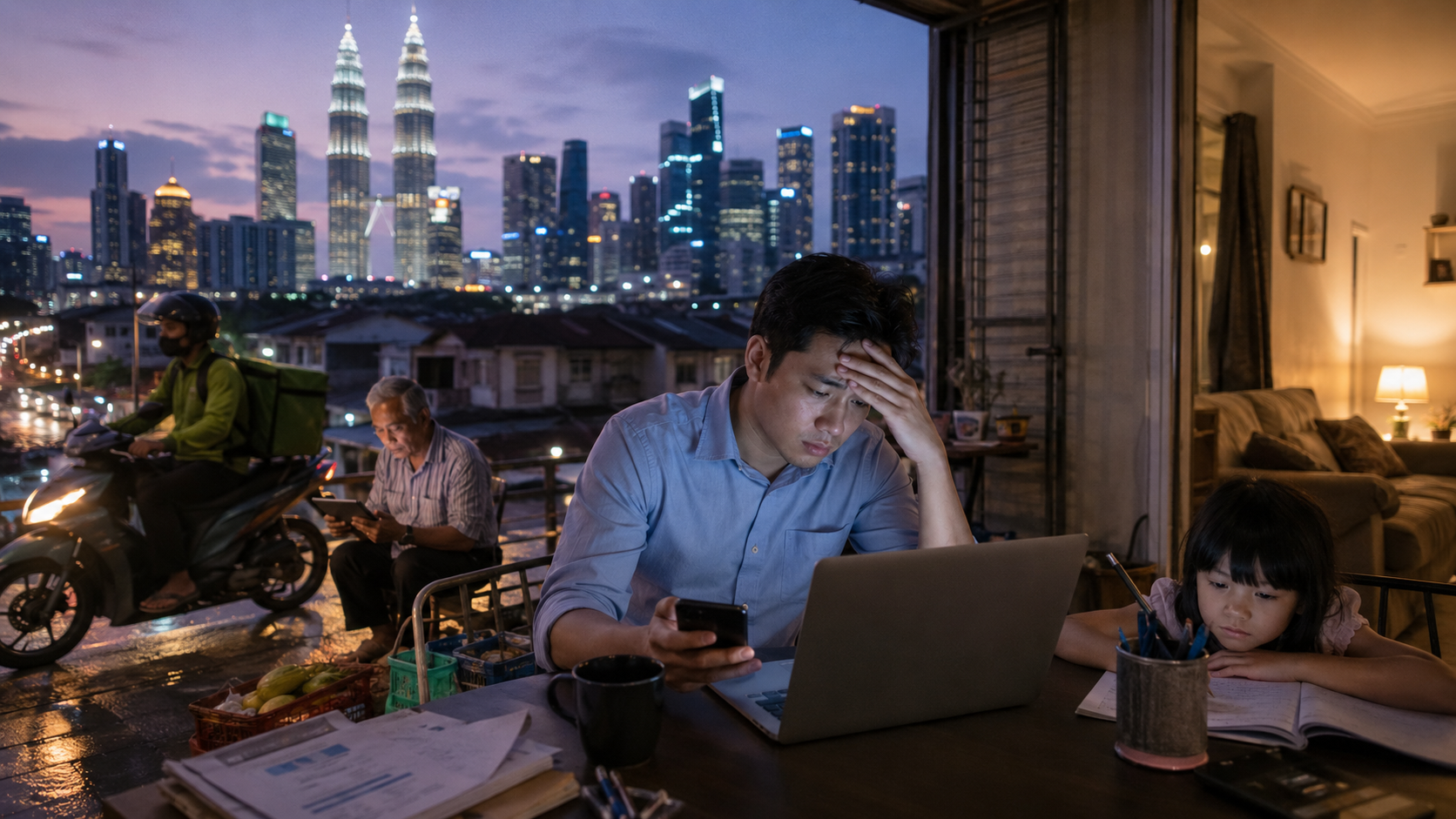
Globalised consumption also affects family finances. Online discounts can help households save money, but constant promotions can encourage overspending. Younger consumers may feel pressure to follow trends seen on TikTok, Instagram, or YouTube. Fashion hauls, gadget reviews, and influencer marketing create a sense that lifestyle upgrades are always necessary.
For middle-class families, this can lead to quiet financial stress. For lower-income households, the gap between visible aspiration and actual affordability can be painful. Social change is therefore not only about access to new products; it is also about emotional pressure and social comparison.
Small Businesses in a Global Marketplace
Opportunity and Competition
Globalisation has opened doors for Malaysian entrepreneurs. A baker in Kota Bharu, a tudung seller in Shah Alam, or a craftsman in Sabah can build a customer base through social media. Digital tools reduce the need for expensive shopfronts and allow niche products to find loyal buyers.
However, competition is intense. Local sellers compete not only with Malaysian brands but also with cheaper imported goods and large regional platforms. Those who lack digital marketing skills, logistics support, or capital may fall behind.
A Real-Life Urban Pattern
In Greater Kuala Lumpur, the impact is especially visible. Office workers increasingly rely on delivery meals, cashless transport, imported groceries, global entertainment, and online learning. Their daily routines are efficient, but also more dependent on platforms owned by large corporations. This raises questions about data privacy, job security for gig workers, and the long-term survival of traditional businesses.
Malaysia’s Consumer Future
The Malaysian consumer is becoming more digital, more global, and more demanding. Yet the country’s cultural diversity ensures that globalisation remains localised. The central issue is not whether Malaysians will consume global products, but whether they can do so in a way that supports financial wellbeing, local enterprise, and social balance.
