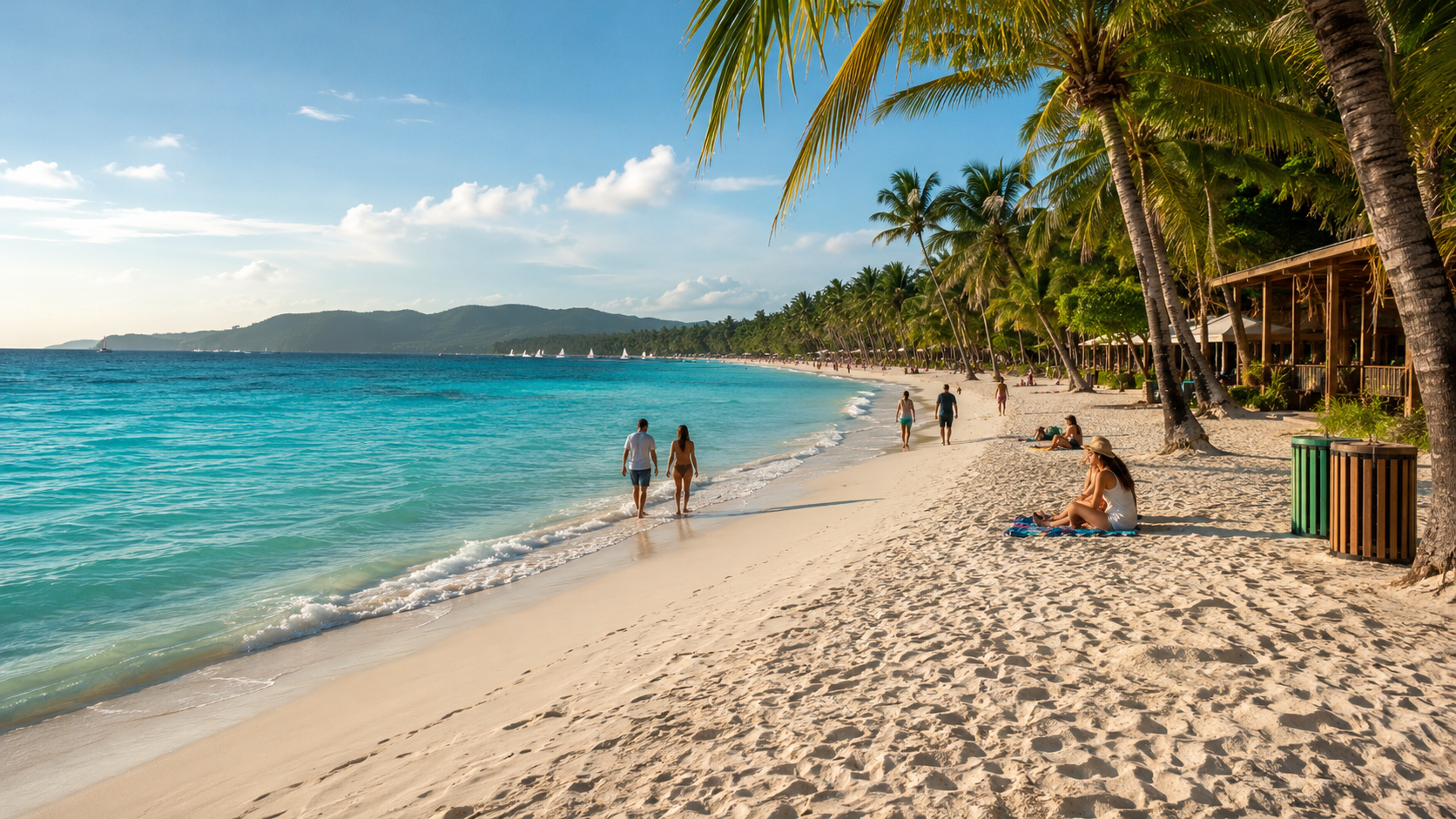
Palawan represents both the promise and the difficulty of sustainable tourism development in the Philippines. Its limestone cliffs, coral reefs, underground rivers and island communities have turned the province into one of the country’s most recognizable destinations.
That popularity creates jobs and business opportunities. It also creates a difficult question: how can Palawan continue benefiting from tourism without damaging the natural assets that make people want to visit?
The challenge is visible across destinations such as El Nido, Coron and Puerto Princesa. As tourism demand grows, so does pressure on water supplies, waste systems, coastal habitats, transport services and housing.
For Palawan, sustainable tourism cannot simply mean attracting environmentally conscious travelers. It must involve changing how tourism income, infrastructure and environmental responsibility are managed.
Nature Is Palawan’s Most Valuable Tourism Infrastructure
Traditional tourism development often treats airports, roads and hotels as the main infrastructure required for growth.
In Palawan, healthy ecosystems are equally important.
Coral reefs support diving and snorkeling. Mangroves protect coastlines. Clean water sustains beaches and marine life. Forests and karst landscapes create the scenery that drives international interest.
Damage to these systems is therefore not only an environmental problem. It is an economic risk.
The Puerto-Princesa Subterranean River National Park illustrates the international value of Palawan’s natural heritage. UNESCO provides official information about the World Heritage site at https://whc.unesco.org/en/list/652/.
Visitor Fees Should Support Conservation
Tourists are often willing to pay environmental or conservation fees when the system is transparent.
The critical issue is where the money goes.
Well-designed fees can fund reef monitoring, waste collection, ranger programs, habitat restoration and community projects. Poorly managed fees, however, can become another cost without producing visible environmental improvements.
Digital payment systems and publicly accessible financial reporting could strengthen trust. Travelers should be able to understand how their payments help protect the places they visit.
Local Communities Need More Than Tourism Jobs
Sustainable tourism is also about economic ownership.
A destination may receive thousands of visitors while local residents capture only a limited share of tourism revenue. Large portions of visitor spending can leave the community through external booking platforms, imported supplies or companies based elsewhere.
Community-based tourism offers another model.
Local residents can participate as guides, boat operators, homestay owners, food producers, artisans and conservation workers. When tourism income remains within the destination, communities have stronger reasons to support environmental protection.
Growth Must Be Managed Before It Becomes Overtourism
Palawan does not need to stop tourism development. It needs to decide what kind of growth it wants.
A high-volume model may generate quick revenue but place severe pressure on fragile islands. A higher-value, lower-impact model can prioritize longer stays, local spending and carefully managed experiences.
This requires better zoning, development controls and limits in environmentally sensitive locations.
The most important measure of success should not be the largest possible number of arrivals. A better question is whether tourism improves local livelihoods while keeping reefs, beaches, forests and waterways healthy.
Palawan’s greatest competitive advantage is not unlimited hotel capacity. It is the quality of its natural environment. Protecting that advantage may be the most important tourism investment the province can make.
