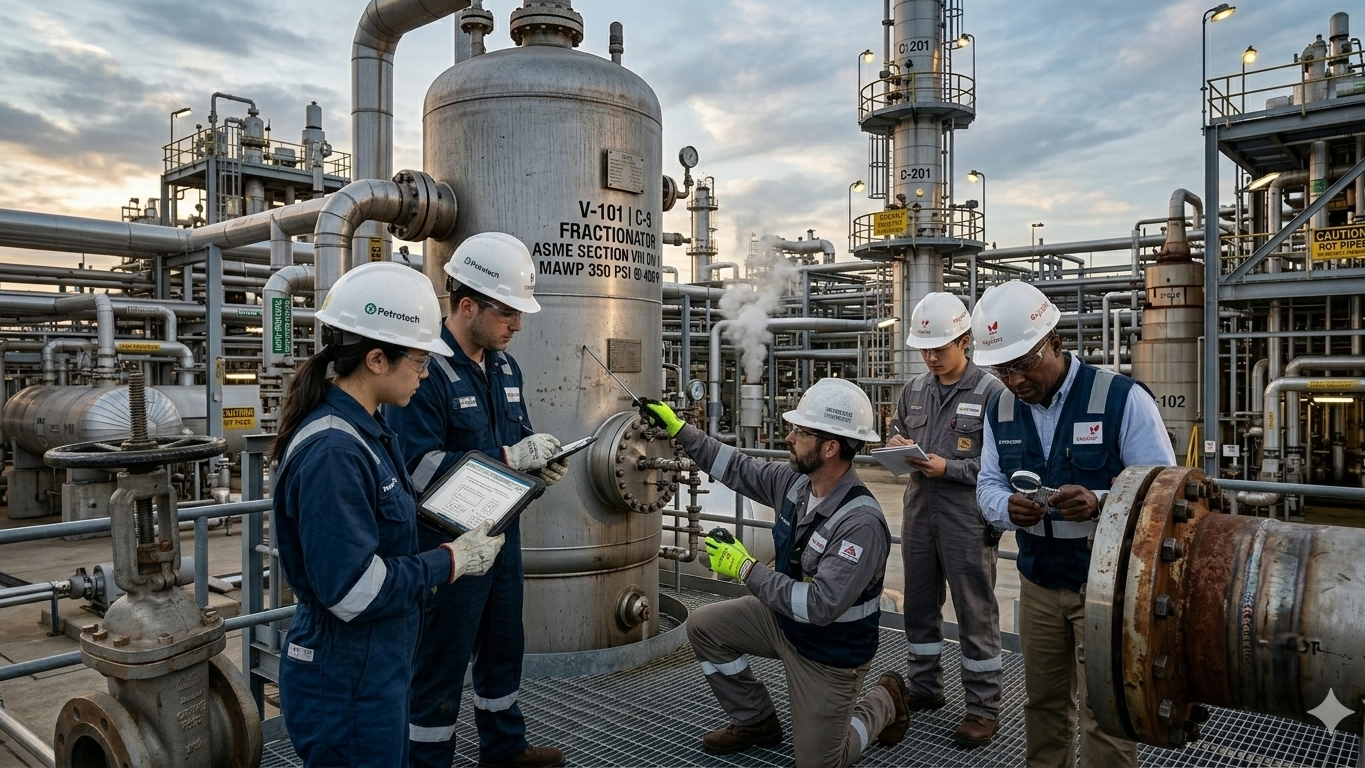
Join PetroSync’s ASME Training to build globally recognized engineering skills, master industry standards, and accelerate your career.
As industrial operations in the energy sector become increasingly interconnected, companies are placing greater emphasis on engineering professionals who understand internationally recognized standards. From process piping systems to pressure equipment maintenance, engineers are expected to follow technical frameworks that ensure safety, compliance, and operational reliability.
Across the oil and gas industry, organizations are responding to these expectations by investing in structured technical training programs. PetroSync, a global B2B training provider specializing in technical education for the energy sector, continues to support companies and professionals who want to strengthen their engineering capabilities and stay aligned with international best practices.
For business leaders and engineering professionals alike, participating in technical training is no longer just a professional development activity. It has become a strategic approach to building globally recognized skills that support both career growth and operational excellence.
Why Globally Recognized Engineering Skills Matter in Today’s Industry
Engineering projects in the oil and gas sector often involve complex systems that must operate safely under demanding conditions. To maintain consistency and reliability, engineers rely on internationally accepted standards that guide design, maintenance, and operational decisions.
One of the most widely applied standards in process industries is ASME B31.3, which provides comprehensive guidance for the design, fabrication, inspection, and testing of process piping systems. Engineers working in refineries, petrochemical facilities, and industrial plants frequently refer to this code when developing or evaluating piping infrastructure.
In addition to piping systems, maintenance and repair professionals often follow ASME PCC-2, a standard that outlines recommended procedures for repairing pressure equipment while maintaining safety and regulatory compliance.
Understanding how to interpret and apply these standards is increasingly important for engineers working in global projects. Companies operating across multiple regions often require their teams to follow consistent engineering practices, making knowledge of international codes a valuable professional asset.
For many professionals, technical training provides the opportunity to deepen their understanding of these standards and apply them more effectively in real operational environments.
The Role of Technical Training in Building High-Performing Engineering Teams
Within oil and gas organizations, decisions about technical training are typically guided by senior leadership. Engineering managers, technical directors, and department heads are responsible for ensuring that their teams possess the knowledge required to manage complex assets and maintain operational safety.
From a business perspective, investing in technical training helps companies strengthen their internal capabilities. Engineers who understand international standards can make more informed technical decisions, reduce operational risks, and contribute to more efficient maintenance practices.
Programs such as ASME B31.3 Training provide participants with deeper insights into process piping systems and the engineering principles that support safe and reliable operations. Through structured learning and practical discussions, engineers gain a clearer understanding of how industry standards apply to real industrial challenges.
For organizations managing critical infrastructure, these capabilities can significantly improve operational reliability and support long-term asset performance.
From Technical Needs Assessment to Corporate Approval
In the oil and gas industry, technical training programs are usually implemented through a structured B2B process. Companies rarely enroll employees directly without first evaluating whether a course aligns with their operational needs.
The process often begins with a consultation between the company and the training provider. During this stage, engineering leaders or learning and development teams discuss the technical challenges faced by their organization and identify training programs that address those needs.
Once the appropriate program has been selected, the decision typically moves through several internal steps. These may include technical evaluation by engineering departments, budget approval from management, and coordination with procurement or corporate training teams.
Because training investments must support business objectives, these approval processes ensure that the selected programs provide real value for the organization.
Training providers like PetroSync are accustomed to supporting companies throughout these stages, helping facilitate discussions, clarify course objectives, and assist with participant registration once corporate approval has been completed.
Developing Globally Recognized Skills Through PetroSync ASME Training
In technically demanding industries, continuous learning is essential for maintaining professional competence. Engineering standards evolve as technology advances and operational challenges become more complex. For engineers, staying updated with these developments is a key factor in long-term career success.
PetroSync’s ASME training programs are designed to help professionals strengthen their technical expertise while building confidence in interpreting and applying engineering codes. Through expert-led instruction, practical case studies, and interactive discussions, participants gain valuable insights into how global standards influence engineering decisions.
For companies, the impact extends beyond individual development. Organizations benefit from engineering teams that are better prepared to manage critical infrastructure, maintain compliance with international standards, and support safe industrial operations.
As the oil and gas sector continues to operate in a highly regulated and globally connected environment, building globally recognized engineering skills has become an essential priority. Through structured technical training programs, engineers and organizations can ensure they remain ready to meet the evolving demands of the industry.
This press release has also been published on VRITIMES
