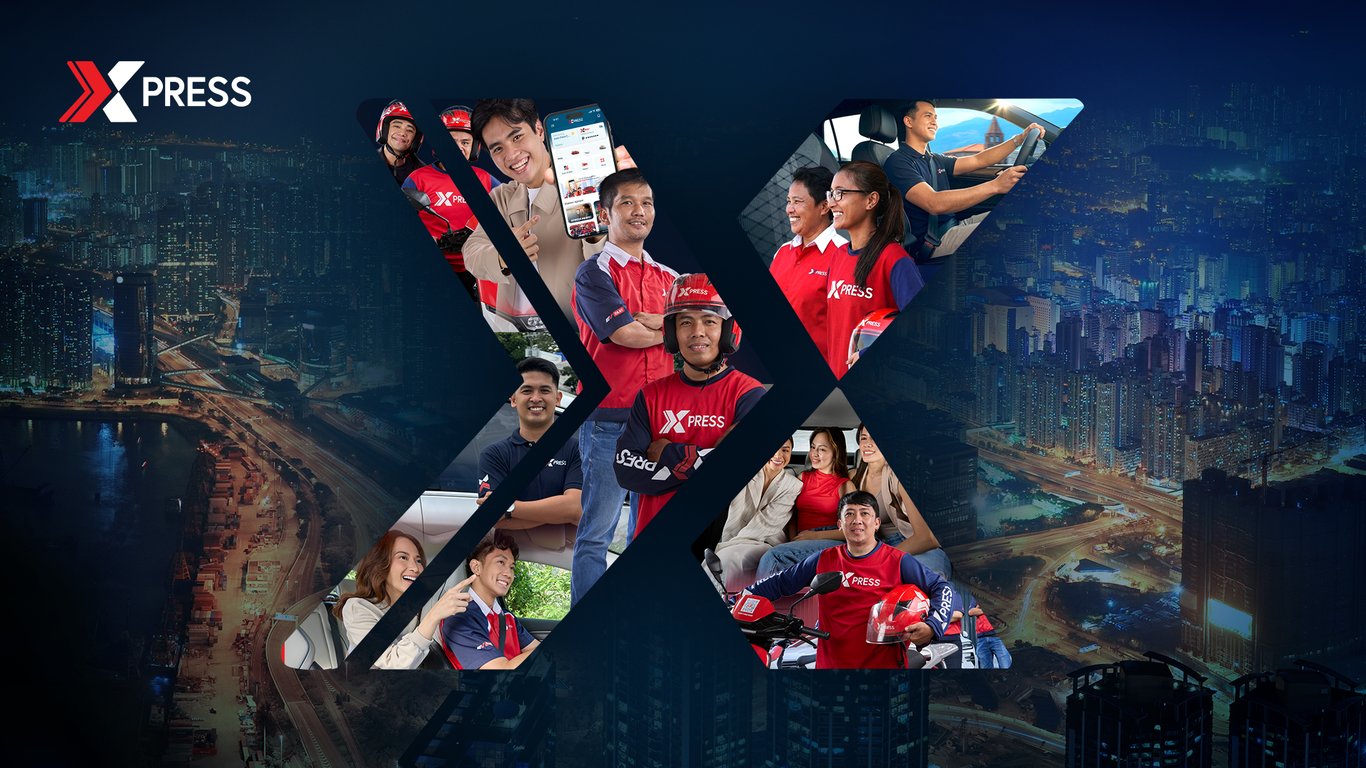
Philippine mobility platform Xpress Super App marks its anniversary after a year of rapid expansion, inclusion in Forbes Asia’s “100 to Watch,” and a push into electric taxis with BYD. As fuel prices rise and transport modernizes, the company’s early bet on electrification, partnerships, and lifestyle events signals ambitions beyond ride-hailing.
As transport systems across Southeast Asia move toward electrification and app-based mobility, Philippine platform Xpress Super App marks its anniversary with a year defined by rapid expansion, international recognition, and a growing focus on electric vehicles.
Launched in Metro Manila in 2024, the platform has quickly evolved from a ride-hailing service into a broader mobility network operating across commuter routes, tourism destinations, and major transport gateways. By integrating taxis, motorcycle rides, local transport services, and digital booking into a single application, Xpress is positioning itself within the new generation of Asian “super app” platforms designed to connect multiple forms of travel in one system.
In just over a year, several milestones have helped move the company from a local startup into a brand gaining regional attention.
Regional Recognition from Forbes Asia
In 2025, Xpress was included in Forbes Asia’s “100 to Watch” list, which highlights emerging small companies across the Asia-Pacific region showing strong growth potential and innovation.
Only a limited number of Philippine companies appeared on the list that year, placing the mobility platform among a select group of local firms receiving international visibility and signaling growing interest in the modernization of the country’s transport sector.
A Multi-Service Platform Across Cities and Tourism Destinations
Rather than focusing on a single vehicle category, Xpress has developed its system to support multiple transport types within one application.
In Metro Manila, the platform offers ride-hailing options for both cars and motorcycles, while tourism destinations such as Boracay use the system to organize local transport services including electric tricycles, vans, and shuttle vehicles. The goal is to allow passengers to move between airports, cities, and resort areas through one booking flow, reducing the need to switch between different providers.
Electric Taxi Expansion with BYD and Early Move Into EV Motorcycles
Electrification has become a central part of Xpress’s expansion strategy, with the company introducing electric taxis into its network through cooperation with BYD, one of the world’s largest electric vehicle manufacturers.
The partnership allows the platform to deploy fully electric taxis equipped with digital booking systems, onboard monitoring, and cashless fare integration, positioning the service as part of the broader shift toward cleaner and more technology-driven urban transport.
The timing has proven significant. With fuel prices rising in recent years both globally and within the Philippines, operating costs for traditional gasoline-powered fleets have increased, making electric mobility a more practical long-term option for ride-hailing platforms.
Company officials describe the move into EV deployment as the result of early planning rather than reaction, placing the platform in a strong position as the industry adjusts to changing energy costs.
Alongside its electric taxi program, the platform has also begun deploying a limited number of electric motorcycle units through a partnership with Voltai, part of the AboitizPower group, as part of its broader exploration of lower-emission transport for short-distance travel.
Expansion Into Major Transport Gateways
Over the past year, Xpress has expanded into several of the Philippines’ busiest passenger locations, including the country’s largest integrated land transport terminal in Metro Manila, commuter rail stations serving southern districts of the capital, and transport corridors in Central Luzon near Clark.
These locations connect provincial buses, rail lines, and airport traffic, making them key points for app-based ride-hailing services. The company has also continued building its presence in tourism markets, where demand for organized and bookable transport has increased as travel across the country continues to recover.
From Mobility to Lifestyle: Music, Events, and Cultural Partnerships
Beyond transport, the brand has also begun appearing in lifestyle and entertainment collaborations.
Xpress recently partnered with Filipino artist Tommie King in the music video for the song Palihim, where the platform’s electric vehicles were featured as part of the production, reflecting the company’s effort to connect mobility with modern urban culture.
The company also confirmed that it will take part in the upcoming Howlers Music Festival in May 2026, where the platform is expected to serve as a mobility partner for the event. The festival brings together music, tourism, and nightlife audiences, highlighting the growing overlap between transport, travel, and entertainment.
Alongside these projects, Xpress says its next phase will focus on expanding into additional cities, increasing the number of electric vehicles in its fleet, and developing new partnerships with transport hubs, tourism operators, and corporate clients.
While specific locations have not yet been formally announced, the company confirmed that several markets are currently under preparation as part of its next stage of growth.
A Platform Growing at the Pace of the Market
Across Southeast Asia, rising fuel costs, expanding tourism, and the push toward electrification are reshaping how people move through cities and destinations. Platforms that can combine technology, transport infrastructure, and energy-efficient vehicles are increasingly finding themselves in the right place as the market shifts.
For Xpress Super App, the past year has been less about size and more about timing — entering the market just as mobility systems begin to change, and investing early in electric vehicles as operating costs continue to rise.
If that timing holds, the company’s anniversary may mark not just its first year of growth, but the point at which a local ride-hailing app begins to position itself within the region’s next generation of mobility platforms.
This press release has also been published on VRITIMES
