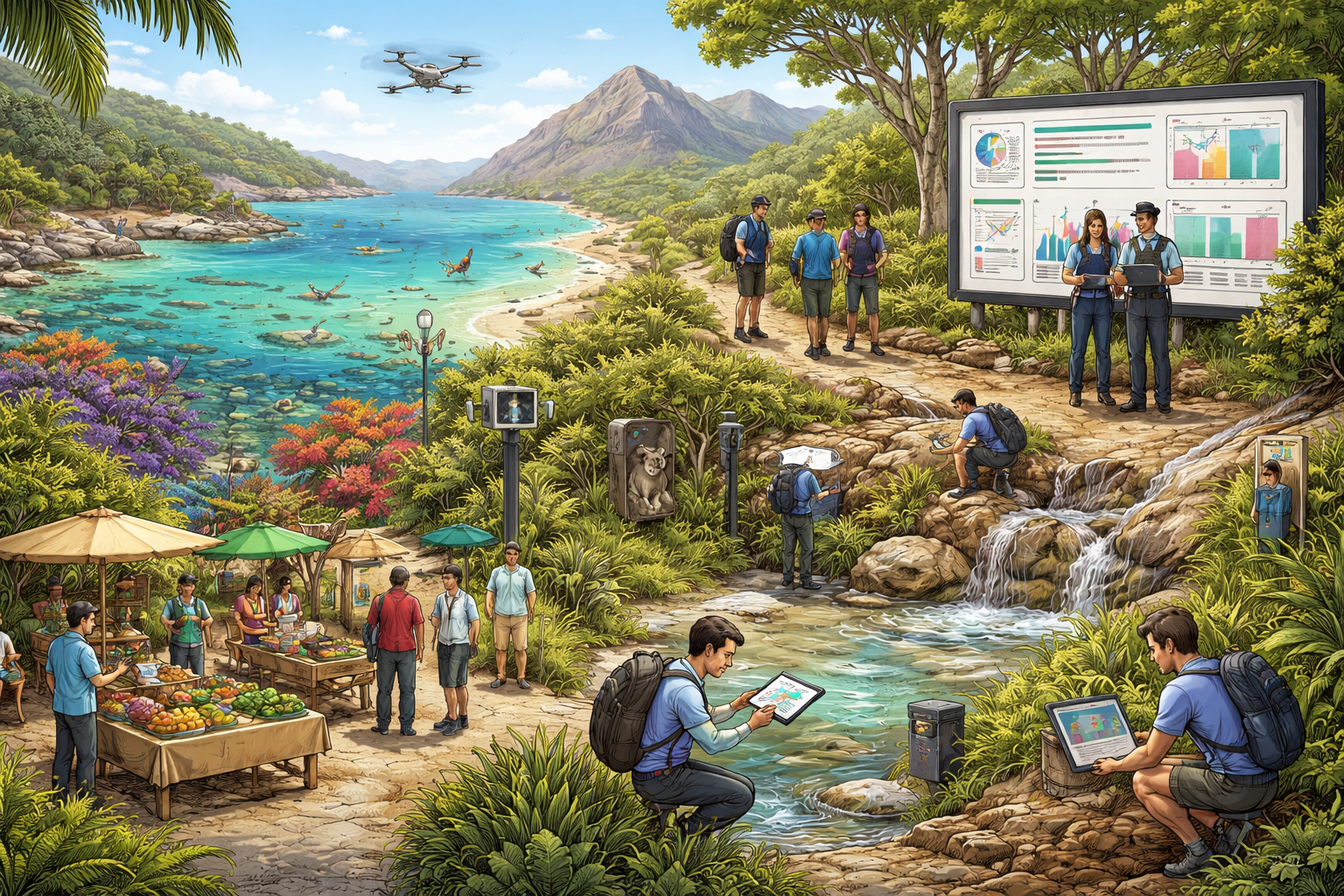
Australia’s appeal is inseparable from its landscapes: coral reefs, ancient rainforests, red deserts, and coastlines that seem endless. Yet the very popularity of these places can pressure ecosystems and local communities. Sustainable tourism in Australia is about building a visitor economy that safeguards biodiversity, respects culture, and keeps benefits circulating locally rather than leaking away to distant operators.
A practical starting point is understanding the “triple bottom line”: environment, society, and economy. Environmentally, it means managing visitor numbers, reducing waste, conserving water, and lowering emissions. Socially, it involves cultural respect, equitable employment, and community decision-making. Economically, it aims for stable incomes, local procurement, and resilience beyond boom-and-bust seasons.
Many Australian destinations lean on protected-area management as the backbone of sustainability. National parks and marine parks typically use tools such as designated trails, boardwalks, visitor education, and permits for sensitive areas. These strategies concentrate foot traffic where ecosystems can handle it, while restoring habitats elsewhere. In fragile dune systems or alpine zones, for instance, a single shortcut trail can cause erosion that lasts decades; well-designed infrastructure prevents that damage while still enabling access.
Another pillar is credible certification and standards. Australia has long promoted eco-accreditation that assesses energy use, waste practices, wildlife interaction rules, and community contributions. For travelers, choosing certified operators is a shortcut to better practices—like reef tours that maintain mooring buoys instead of anchoring on coral, or lodges that run on renewables and treat wastewater responsibly. For businesses, standards push continuous improvement: what begins as recycling and efficient lighting can evolve into electrifying vehicle fleets, sourcing local food, and funding conservation projects.
Community wellbeing is often where sustainability becomes tangible. When tourism grows too fast, local residents can face housing pressure, overcrowded infrastructure, and rising costs. Sustainable planning encourages mechanisms like visitor caps in peak seasons, dispersing tourism to less-visited regions, and investing a portion of tourism revenue into roads, waste services, and community facilities. It also means decent jobs—fair wages, training pathways, and roles beyond entry-level hospitality, such as guiding, conservation work, and cultural interpretation.
Wildlife tourism deserves special care. Australia’s animals—koalas, whales, seabirds, and countless endemic species—are a major draw, but close contact can stress wildlife and alter behavior. Responsible operators follow approach distances, limit group sizes, avoid feeding wildlife, and teach guests how to observe without disruption. The best experiences often include citizen-science elements: reef monitoring, bird counts, or beach cleanups that turn visitors into contributors.
Finally, sustainable tourism is increasingly intertwined with climate realities. Bushfires, coral bleaching, and heatwaves have reshaped risk planning. Destinations are adapting through fire-aware infrastructure, seasonal diversification, and carbon reduction efforts. Travelers can support this shift by choosing longer stays over frequent short trips, using public transport where possible, and prioritizing operators with transparent sustainability reporting.
In Australia, sustainability isn’t a marketing phrase when it’s done well—it’s a working system of limits, stewardship, and shared benefits that keeps extraordinary places extraordinary.
