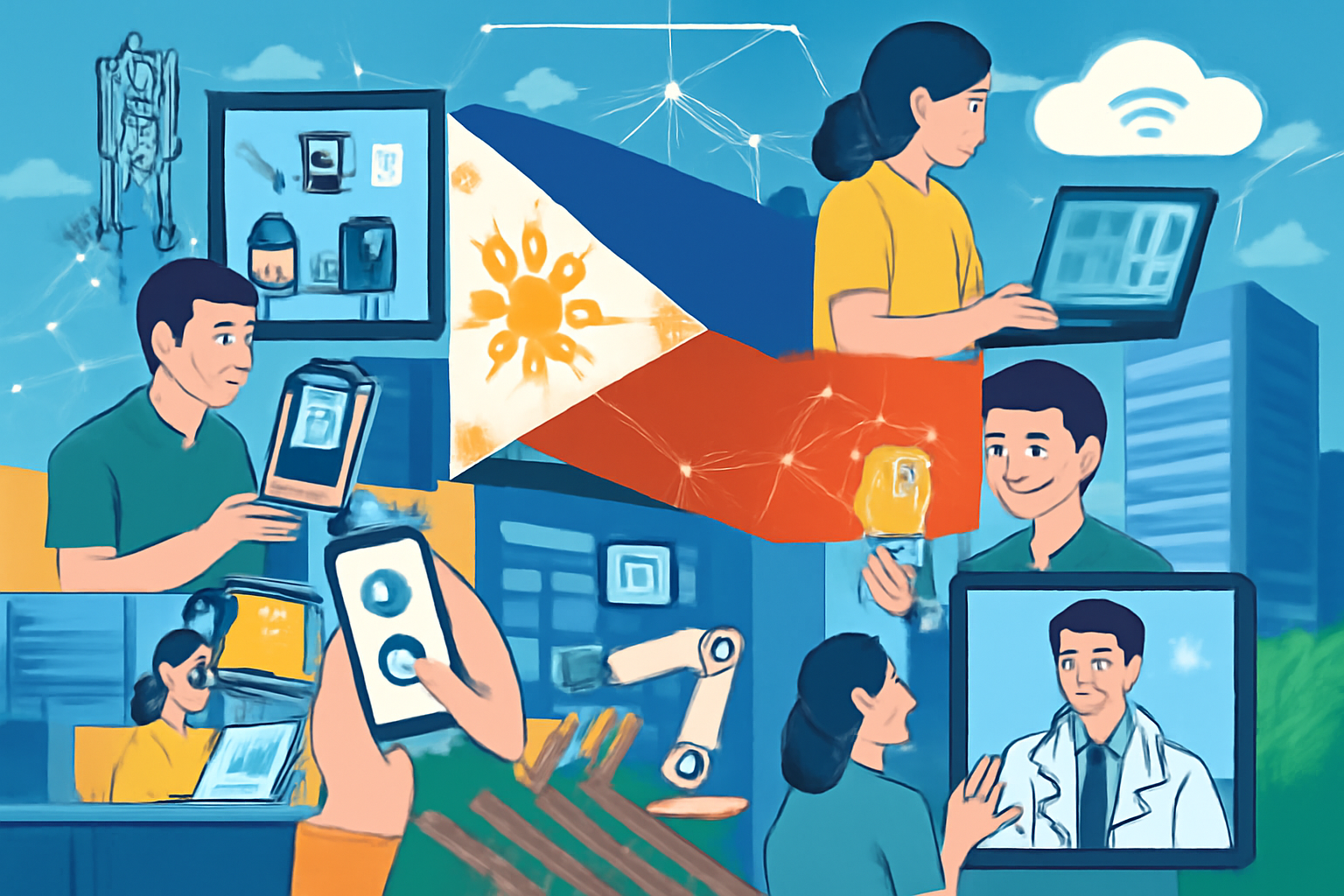
The Philippines is on the cusp of a digital transformation, as technology and innovation increasingly shape the way the country functions across various sectors. From improving business operations to enhancing the lives of citizens, digital technologies are driving the nation toward a more prosperous and inclusive future. As the government, private sector, and startup ecosystem embrace digital tools, the Philippines is setting a strong foundation for its next phase of growth in the digital age.
One of the cornerstones of this transformation is the government’s focus on digital infrastructure. The National Broadband Plan (NBP) aims to increase internet penetration across the nation, particularly in underserved rural areas. With the widespread availability of high-speed internet, more Filipinos are gaining access to digital services, which is empowering them to participate in the digital economy. This is especially important as the country seeks to bridge the digital divide between urban and rural areas and ensure equal opportunities for all.
In the field of education, digital transformation has been particularly pronounced. The COVID-19 pandemic forced schools and universities to adopt online learning platforms to continue educating students. The Department of Education (DepEd) and the Commission on Higher Education (CHED) have invested heavily in digital tools and resources to support remote learning. Programs like DepEd’s “Learning Continuity Plan” are designed to integrate digital and traditional methods, enabling students and teachers to adapt to new learning environments and gain essential digital skills.
Similarly, healthcare in the Philippines has undergone significant changes through technology. Telemedicine platforms have allowed Filipinos to access healthcare services remotely, reducing the need to travel long distances for consultations. This digital innovation is particularly important in rural areas, where healthcare facilities may be scarce. In addition, the growing trend of digital health platforms has enabled the public to access health services, track their fitness, and manage chronic diseases with ease.
E-commerce has emerged as another industry transformed by digital technologies. With internet penetration expanding and mobile phone usage on the rise, online shopping has become a primary mode of retail. Platforms like Shopee and Lazada have expanded the reach of both small and large businesses, making it easier for entrepreneurs to reach local and international customers. Furthermore, digital payment platforms like PayMaya and GCash have become crucial tools for seamless transactions, enabling cashless payments in an increasingly digital world.
Technology is also making an impact in the financial sector. Fintech companies are innovating to offer financial services to the underserved population, especially in remote areas. These innovations are empowering people to engage in financial transactions, access loans, and save money in ways that were previously difficult due to limited access to traditional banking services.
The tech startup ecosystem in the Philippines is thriving, with companies working across various sectors, including fintech, health tech, agritech, and edtech. These startups are developing innovative solutions that address the specific needs of the Filipino market, and many are gaining international attention for their impact and potential.
Despite these advancements, the Philippines faces several challenges in achieving a fully digital economy. Issues like limited digital literacy, cybersecurity concerns, and infrastructure gaps remain barriers to digital adoption. However, the government is working to address these challenges through initiatives focused on improving digital literacy, providing better internet access, and enhancing security measures to protect online transactions.
With continued investments in technology, education, and infrastructure, the Philippines is well-positioned to become a leader in digital innovation in the region. As the country continues to embrace the power of technology, it will create new opportunities for businesses, improve government services, and provide better quality of life for Filipinos.
