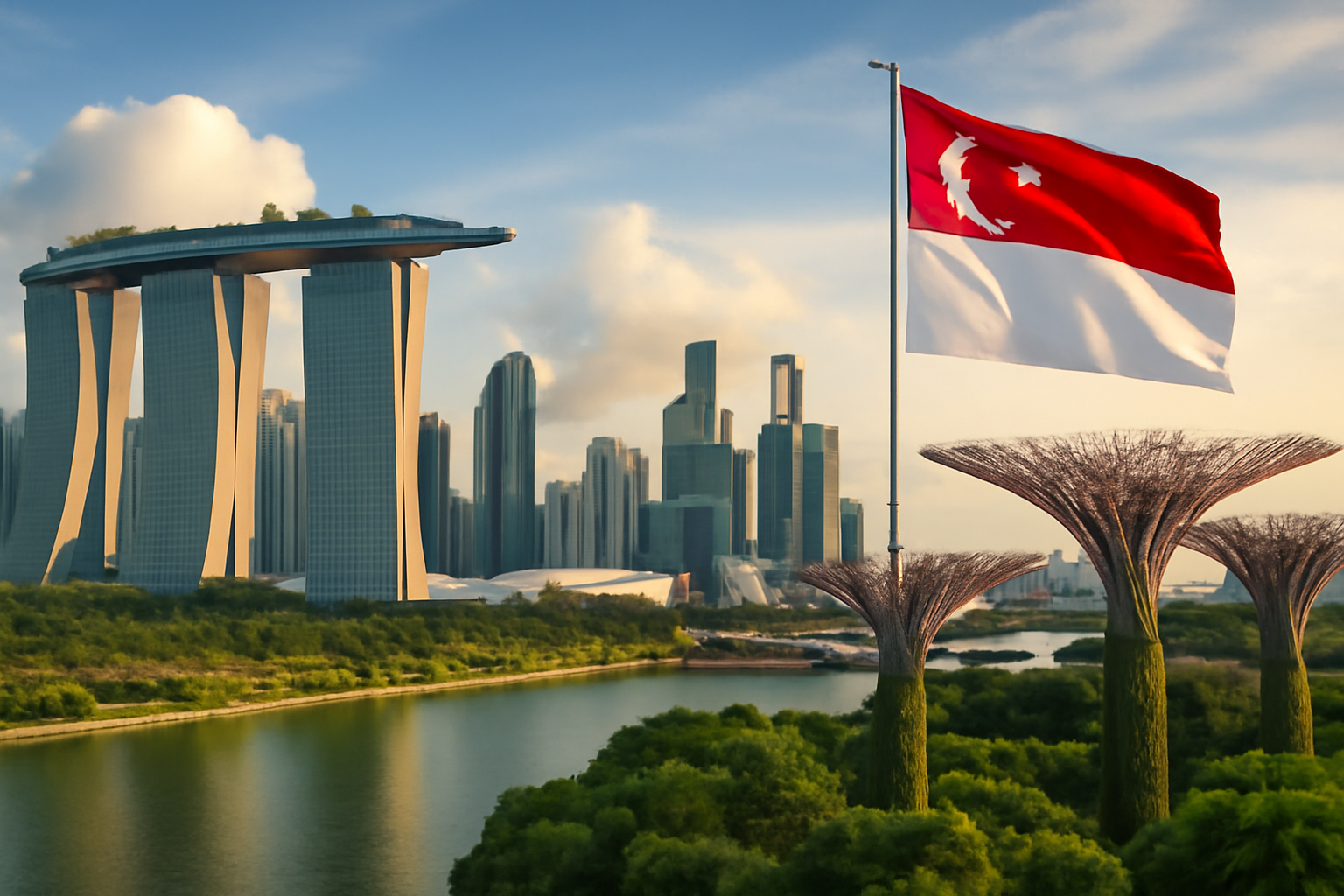
As a tiny nation with a population of just over five million people, Singapore may seem insignificant in terms of geographical size, but its impact on the global stage far exceeds its physical footprint. From its remarkable economic transformation to its social policies and international diplomacy, Singapore is viewed around the world as an example of how a small country can thrive in a complex and competitive global landscape.
One of the most widely recognized aspects of Singapore’s global image is its economic success. Despite its limited natural resources, the country has built one of the most advanced and diversified economies in the world. Singapore is often seen as a shining example of economic planning and foresight, with a focus on technology, trade, and innovation that has driven the nation’s growth. The country’s strategic location as a global shipping hub has further cemented its role as a leader in international trade, while its highly developed financial services sector continues to attract global investors and multinational companies.
In addition to its economic prosperity, Singapore’s commitment to high standards of governance and law has earned it a reputation as one of the safest and most well-managed countries in the world. The city-state is known for its efficient bureaucracy, low crime rates, and strict laws, which contribute to a high standard of living for its residents. This stability and predictability are particularly attractive to expatriates and international businesses looking for a stable environment to operate in.
Politically, Singapore’s image is somewhat mixed. On one hand, the city-state is praised for its strong leadership and the effectiveness of its policies. Under the long-standing rule of the PAP, Singapore has been able to maintain political stability, promote economic growth, and ensure a high level of social order. However, this stability has come at the cost of limited political freedoms. Critics of the government point to the lack of a vibrant opposition and the restrictions on free speech as signs of authoritarianism, which sometimes cloud Singapore’s otherwise positive reputation.
Singapore’s ability to integrate multiple cultures into one cohesive society has also garnered international praise. The country is home to a diverse population, with a harmonious mix of Chinese, Malay, Indian, and other ethnic groups. Its success in managing diversity and fostering social cohesion is a model that other countries look up to, particularly in an age when issues of immigration and social integration are prominent worldwide.
The city-state’s global reputation extends to its foreign policy and international relations. Singapore has positioned itself as a neutral player in regional and global diplomacy, advocating for peace, free trade, and regional stability. It has strong relationships with both Western and Eastern powers and has played a crucial role in various international forums. Singapore’s diplomatic neutrality and pragmatism have made it an influential voice in regional matters, while its proactive approach to international trade has further bolstered its global standing.
In sum, Singapore is widely regarded as a success story, a nation that has transformed itself through strategic planning, strong governance, and social harmony. While its political landscape may generate some debate, its global image remains largely positive, with the city-state recognized as a leader in economic development, urban innovation, and diplomatic engagement.
