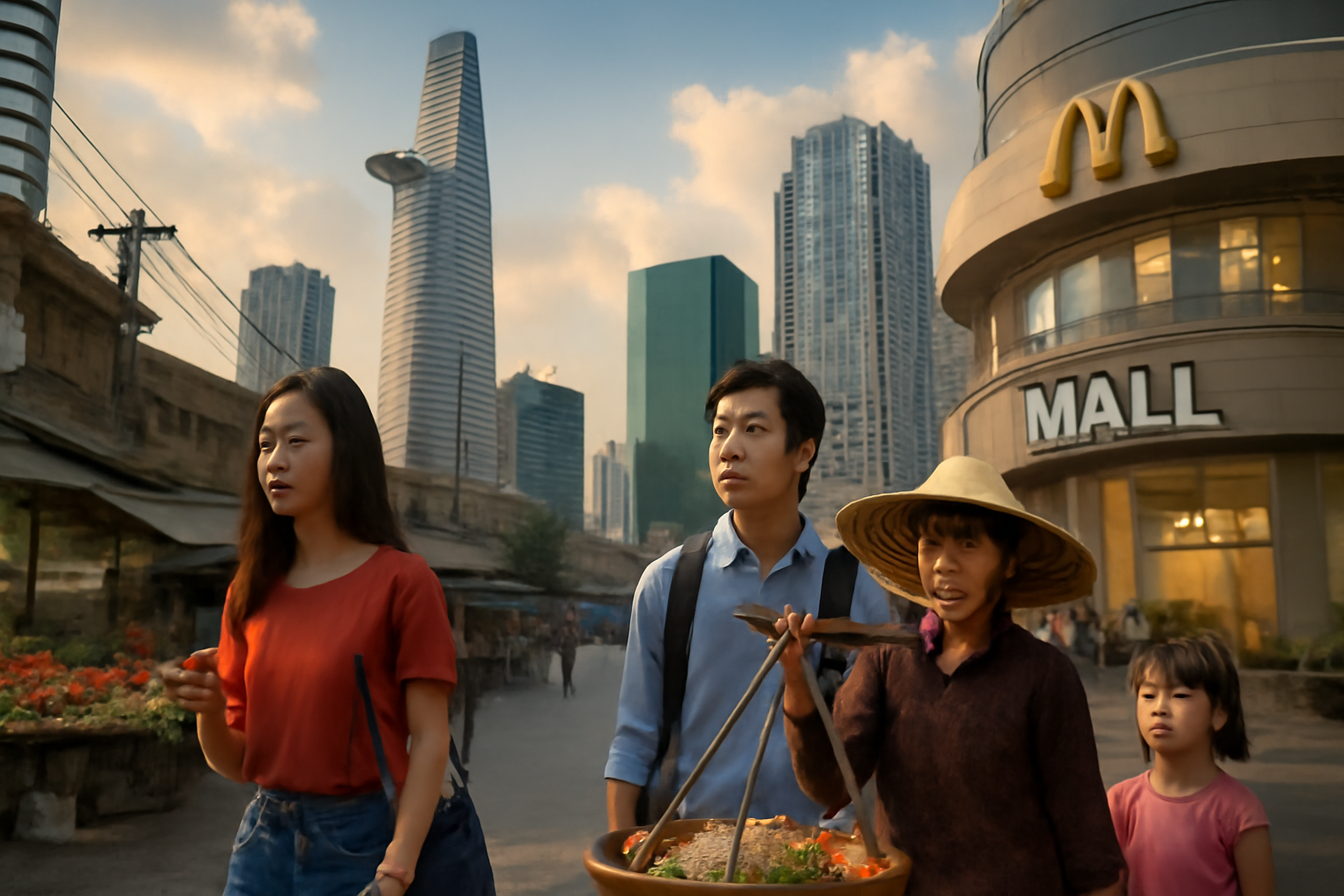
Globalization has been one of the defining forces shaping modern Vietnam. The process of integrating into the global economy and cultural exchange has dramatically transformed the country’s social landscape, with widespread changes occurring in both urban and rural areas. These transformations affect everything from lifestyles to work habits and social interactions, reshaping how people in Vietnam live and think.
The most immediate and noticeable change is urbanization. Cities like Hanoi and Ho Chi Minh City have seen explosive growth in recent years, driven by foreign investments, international trade, and increased industrialization. As more people move to these urban centers seeking better job prospects, the rural-urban divide has become more pronounced, with urban areas often leading in terms of infrastructure, education, and employment opportunities.
In addition to physical urban growth, globalization has brought new cultural influences to Vietnam. Traditional Vietnamese values, such as respect for authority and community, have been influenced by Western ideals that emphasize personal achievement and individual rights. These shifts in cultural values are most evident among younger generations, who are increasingly embracing a more individualistic lifestyle. This has led to changes in family structures and social dynamics, as young people prioritize career goals and personal interests over traditional expectations.
Vietnam’s economy, too, has been deeply affected by globalization. With the influx of multinational corporations, there has been a rise in consumer demand for global products. Local markets have transformed, with international brands now widely available. This change has led to a shift in consumer habits, with more people adopting Western lifestyles, such as eating fast food, wearing international fashion brands, and using the latest technology.
In the realm of education, Vietnam is striving to meet the challenges posed by globalization. The country has prioritized English language learning, and international schools are growing in number to cater to the demand for globalized education. Many young Vietnamese are now seeking higher education opportunities abroad, which has broadened their cultural perspectives and prepared them to compete in a globalized job market.
However, the impacts of globalization are not all positive. While urban areas benefit from economic growth and exposure to global culture, rural regions face challenges such as economic disparity and a loss of traditional customs. Additionally, the rapid cultural changes have sparked concerns about the erosion of Vietnam’s rich heritage. Striking a balance between embracing globalization and preserving cultural identity remains one of the country’s key challenges.
