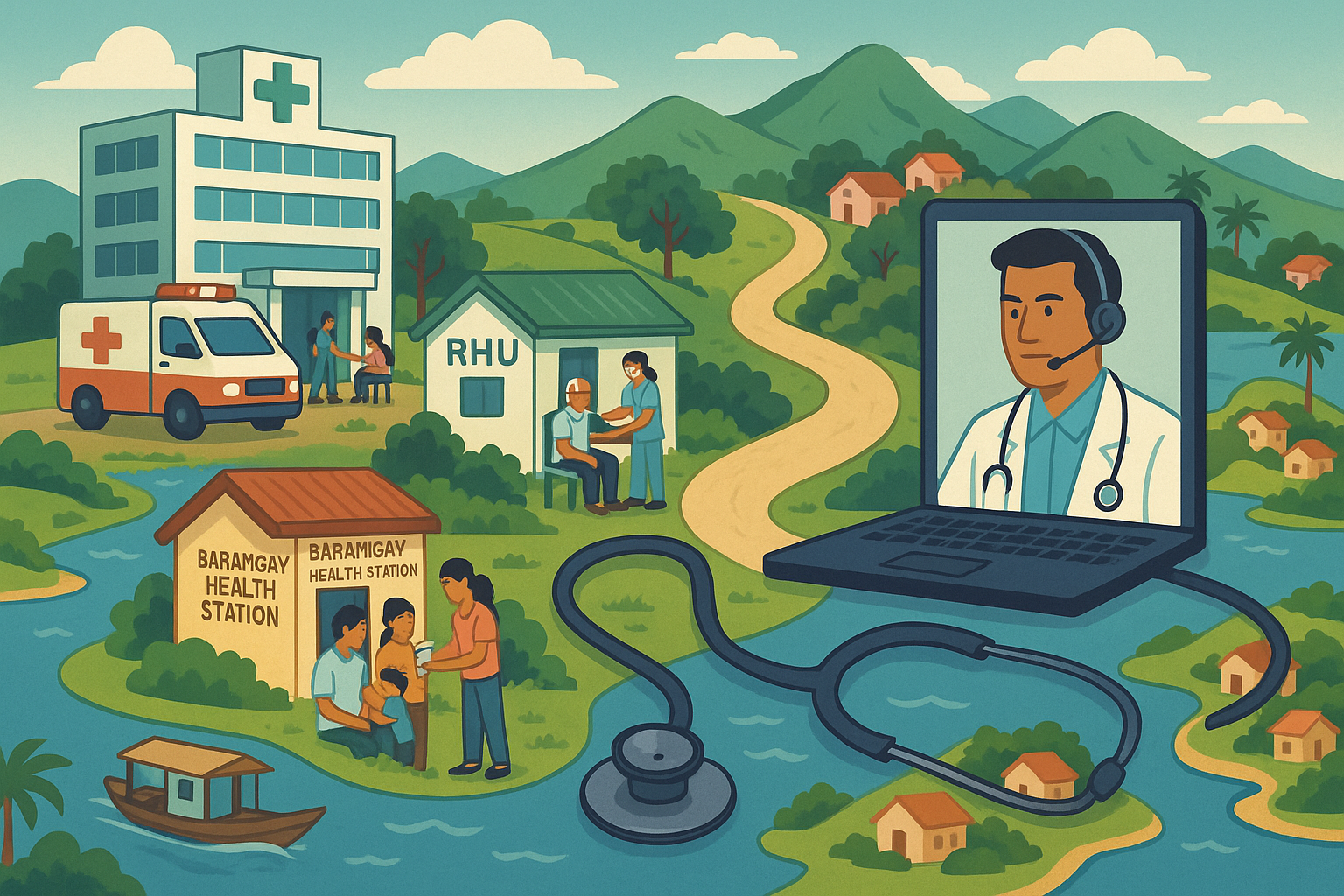
Any health system is only as strong as its people and places, and the Philippines wrestles with both. Nurses, midwives, physicians, medical technologists, and barangay health workers form a broad care pyramid. But distribution is skewed: metropolitan hospitals attract specialists and advanced equipment, while rural facilities struggle to fill posts and maintain basic diagnostics. The result is predictable—late presentations, long travel times, and avoidable hospitalizations.
International demand for Filipino health workers is a double-edged sword. Remittances support families and the broader economy, yet persistent domestic vacancies impede service delivery. Competitive compensation, scholarships tied to return service, and clear career ladders can improve retention. Within facilities, flexible scheduling, mental health support, and continuous professional development reduce burnout in high-pressure wards.
Infrastructure gaps compound workforce shortages. Many Rural Health Units require upgrading to provide comprehensive primary care—reliable power, cold-chain capacity, point-of-care testing, and telemedicine-ready connectivity. Hospitals confront aging equipment, limited intensive care capacity, and maintenance backlogs. Strategic capital investment, guided by service delivery maps, can prevent duplication in urban hubs and close glaring holes in underserved islands.
Financing interacts with these constraints. PhilHealth reimbursements can be a lifeline, but delays or low case rates strain hospital finances, limiting their ability to hire, retain, and retool. Aligning benefit packages with the actual cost of quality care—especially for noncommunicable diseases and maternal emergencies—helps providers plan sustainably. Meanwhile, targeted public budgets for facility upgrades, complemented by transparent procurement, ensure that new equipment arrives where needed most.
Medicines tell a parallel story. Essential drug lists and price regulation policies exist, but procurement fragmentation and logistics challenges create stockouts. Strengthening supply chains through centralized purchasing, vendor performance monitoring, and warehouse-to-facility tracking reduces waste and improves confidence among clinicians and patients alike. When patients can trust that maintenance drugs will be available, adherence rises and preventable admissions fall.
Public-private dynamics add complexity and opportunity. Private clinics often supply faster diagnostics and specialty care, while public facilities anchor prevention and equity. Contracting private capacity for overflow services—dialysis, imaging, elective surgeries—can shorten queues if governed by transparent prices and quality standards. Health Maintenance Organizations serve parts of the workforce, but without integration into UHC pathways, they risk fragmenting care; shared data and aligned benefits can mitigate this.
Disaster risk is ever-present. Typhoons, floods, and earthquakes disrupt services and damage facilities. Designing clinics with resilient architecture, establishing mobile care units, and maintaining backup power and water supplies ensure continuity. Emergency health teams trained for surge response can prevent mortality spikes after disasters.
Ultimately, investing in people and places at the same time is the only lasting fix. When teams are complete, equipment works, and medicines are on the shelf, patients stop postponing care—and the promise of universal health coverage feels real in every barangay.
