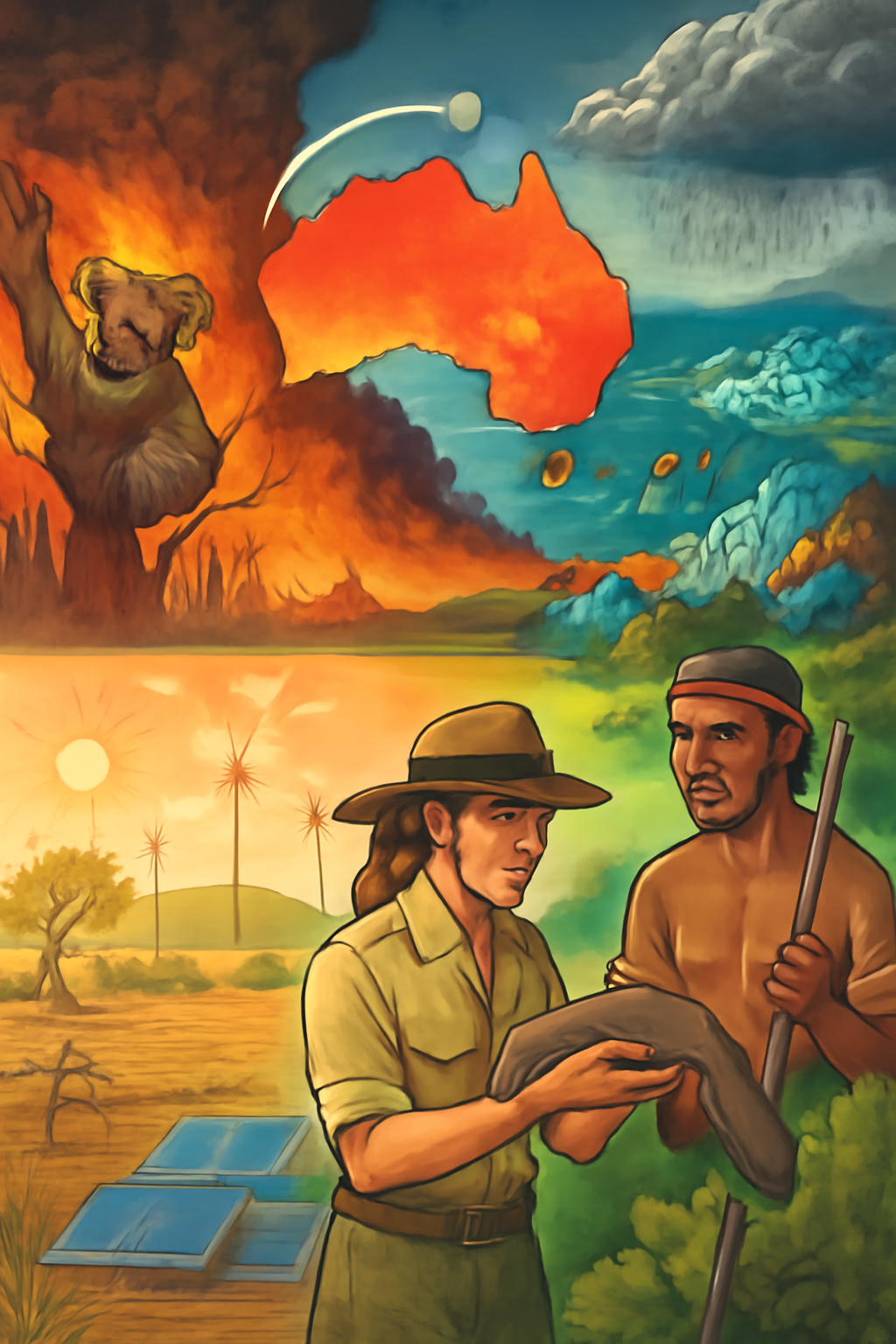
Australia’s unique environment is facing increasing threats due to climate change, making environmental conservation and sustainable practices more important than ever. As the country grapples with the devastating impacts of climate-related events, the need for urgent action to mitigate these effects is becoming increasingly clear. From the destruction of ecosystems to the increased frequency of natural disasters, climate change has become one of the most significant challenges facing Australia today.
The effects of climate change in Australia are most evident in the form of extreme weather events. Australia has witnessed a rise in the occurrence of bushfires, particularly in the last few decades. These fires, often intensified by prolonged periods of drought and rising temperatures, pose a major threat to human life, wildlife, and natural habitats. In the devastating 2019–2020 bushfire season, more than 18 million hectares were scorched, and more than a billion animals perished, highlighting the destructive power of climate change.
In addition to bushfires, droughts have become more common in Australia as a result of changing weather patterns. Many regions are experiencing reduced rainfall, leading to water shortages that impact agriculture, water supply, and overall ecosystem health. Australia’s reliance on water for agriculture makes droughts particularly challenging, as farmers struggle to maintain crop production and livestock health. The impact on food security is also a growing concern, as water scarcity limits agricultural productivity.
Australia’s Great Barrier Reef, one of the world’s most famous and biodiverse ecosystems, is also feeling the effects of climate change. Coral bleaching, a phenomenon caused by rising ocean temperatures, has caused massive damage to the reef. The loss of coral reefs threatens marine biodiversity, fisheries, and tourism, with profound implications for both the environment and the economy.
To address these challenges, Australia has undertaken a variety of conservation efforts. These include initiatives to reduce greenhouse gas emissions through the adoption of renewable energy, like solar and wind power, and improving energy efficiency. The Australian government has also made significant commitments to international climate agreements, including the Paris Agreement, to limit the impacts of climate change.
At the local level, conservation efforts are focused on protecting endangered species, restoring habitats, and maintaining biodiversity. National parks and protected areas have been established to conserve key ecosystems, while restoration projects aim to rehabilitate damaged land and water systems. These efforts are critical to ensuring that Australia’s natural resources are managed sustainably for future generations.
One promising avenue of conservation is the use of Indigenous knowledge in land and fire management. Indigenous Australians have long practiced techniques such as controlled burning to prevent the spread of wildfires and maintain ecosystem health. These traditional methods are increasingly being incorporated into modern fire management strategies, demonstrating the value of Indigenous knowledge in contemporary conservation.
Australia’s response to climate change and environmental conservation also involves economic strategies aimed at creating a more sustainable future. Programs that support sustainable farming, forest management, and renewable energy development are helping to reduce Australia’s carbon footprint. These efforts are key to mitigating the long-term effects of climate change and ensuring a sustainable future for both the environment and the economy.
As the country faces an uncertain environmental future, the need for continued innovation, cooperation, and action on climate change is clear. Australia’s commitment to sustainability and conservation will play a crucial role in shaping the country’s environmental future.
