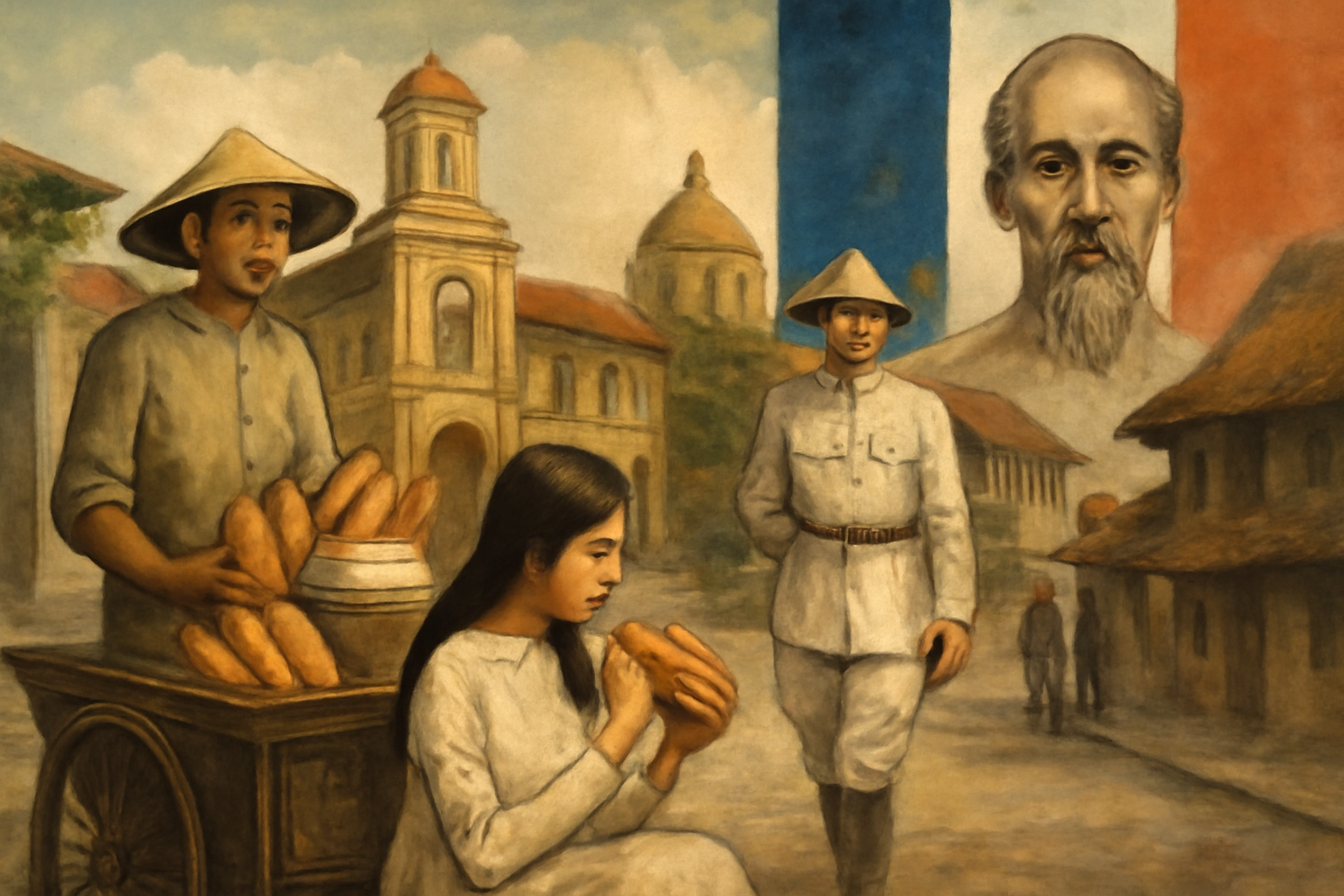
French colonial rule in Vietnam began in the mid-19th century when France expanded its empire into Southeast Asia. Over the course of nearly a century, Vietnam became part of French Indochina, and the effects of this colonization are still visible in many facets of modern Vietnamese society. The French left a lasting imprint on Vietnam’s political institutions, culture, and daily life, shaping the country in ways that continue to resonate today.
During the colonial period, the French imposed a system of governance that centralized power in the hands of the colonial administration. The Vietnamese monarchy was stripped of much of its authority, and the French took control of the economy, exploiting the country’s natural resources. Vietnam was particularly valuable for its agricultural products, such as rice, rubber, and tea, which were exported to France and other parts of Europe. The French also built extensive infrastructure, including railways, ports, and roads, which helped integrate the region into the global economy.
Culturally, the French left a significant mark on Vietnamese architecture, education, and language. French colonial architecture can still be seen in the buildings and streets of Hanoi and Ho Chi Minh City, where wide boulevards and elegant mansions reflect French design principles. The French also established schools where the Vietnamese elite could learn the French language and Western-style education, leading to the rise of a French-educated class in Vietnam.
The French language itself became an important part of Vietnamese society. For many years, French was the language of the educated elite and was used in government, business, and the arts. Even today, traces of French can be found in the Vietnamese language, with numerous French loanwords in areas such as food, clothing, and technology.
The French also introduced their culinary traditions to Vietnam, and the fusion of French and Vietnamese food has become a hallmark of the country’s cuisine. Dishes like “banh mi,” a sandwich made with a French baguette and local fillings, showcase the fusion of French techniques with Vietnamese flavors. Additionally, the introduction of coffee culture, particularly the use of condensed milk, has become a deeply ingrained part of Vietnamese daily life, resulting in the widespread popularity of “cà phê sữa đá.”
However, the French presence in Vietnam was not without conflict. The exploitation of the Vietnamese people and their resources sparked resentment, and nationalist movements emerged as a response to French rule. Leaders like Ho Chi Minh, who was deeply influenced by socialist and communist ideologies, led the resistance against French colonialism. The First Indochina War culminated in the Battle of Dien Bien Phu in 1954, where French forces suffered a decisive defeat, leading to the end of French colonial rule in Vietnam.
The legacy of French colonialism in Vietnam is complex, marked by both cultural exchange and exploitation. While the French contributed to the development of Vietnam’s infrastructure and brought about changes in language and culture, they also left behind a history of oppression. Despite this, the French influence on Vietnam is undeniable, shaping the country’s modern identity in profound ways.
