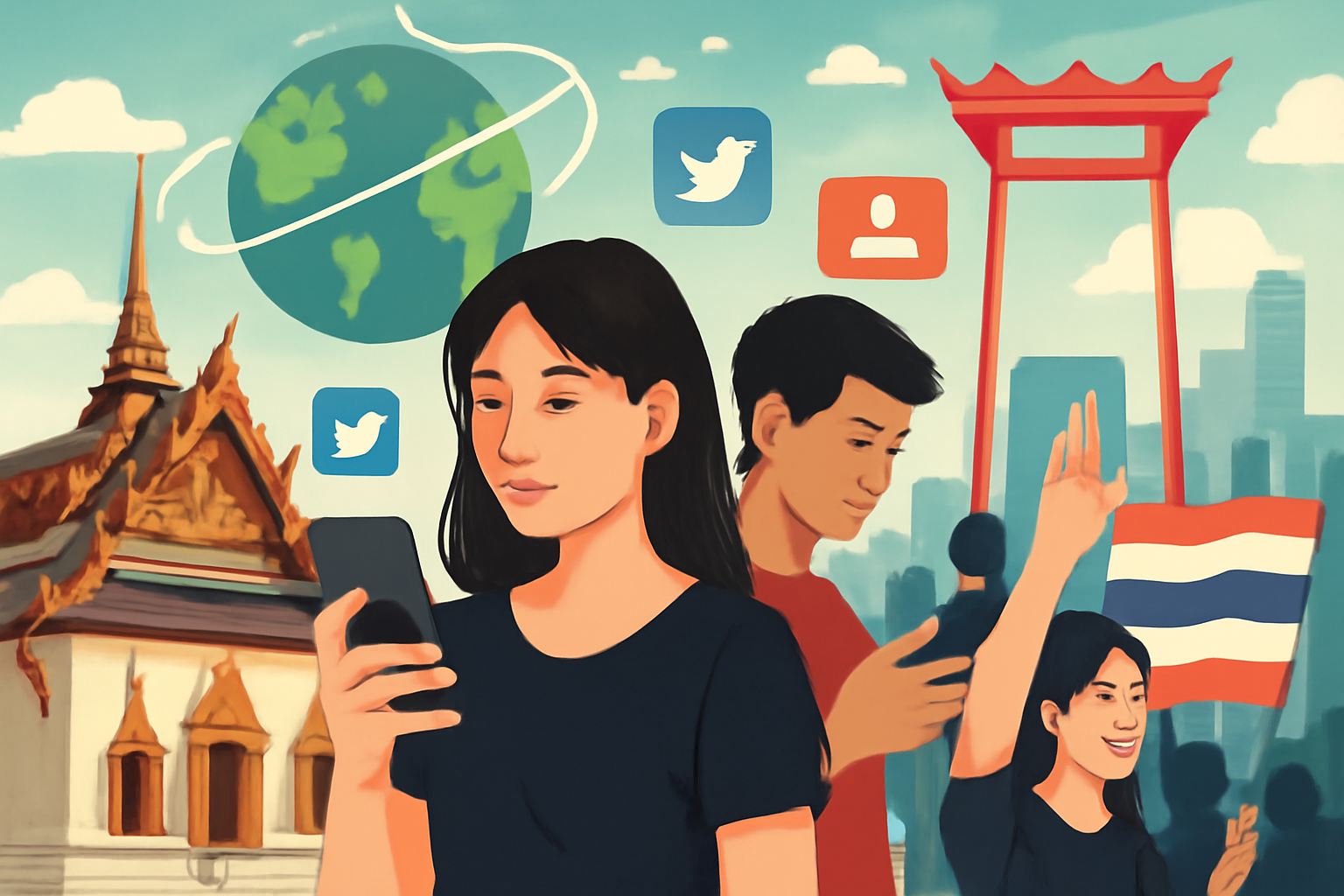
In recent years, Thailand has been undergoing significant social change, much of which is driven by globalization and the rise of social media. These two forces have dramatically altered the way Thai people live, work, and interact with one another. As Thailand becomes more connected to the global community and as social media continues to influence daily life, the country is experiencing a cultural and societal shift that is both exciting and challenging.
Globalization has opened up Thailand to a world of new opportunities, particularly in terms of trade, technology, and cultural exchange. The influx of international companies and the expansion of global markets have led to increased economic growth and greater integration into the world economy. However, this economic development has also created social inequality, with the benefits of globalization not equally distributed among all segments of the population. While urban areas like Bangkok have thrived, rural regions have often been left behind.
Social media has also played a pivotal role in shaping modern Thai society. Platforms like Facebook, Twitter, and Instagram have become central to how people communicate, share information, and participate in society. These digital platforms have allowed people to bypass traditional media outlets, giving them a greater sense of agency in shaping the public discourse. Social media has become an important tool for political engagement, with online movements playing a significant role in protests and calls for political reform.
Despite the positive aspects of social media, there are also risks involved. Misinformation, hate speech, and online harassment are common problems that arise in the digital age. Social media can also contribute to the spread of sensationalized or false information, which can lead to political instability or social unrest. In Thailand, social media has often been a battleground for political factions, with different groups using digital platforms to promote their agendas and challenge the government.
The younger generation in Thailand has been at the forefront of these changes. Raised in an era of global connectivity and digital communication, young Thais are more open to new ideas and have a more globalized perspective. They are more likely to embrace diversity and push for progressive changes in areas such as gender equality, LGBTQ rights, and democracy. Social media has given them a platform to express their views, and they are increasingly using these platforms to advocate for social change.
The Thai government has recognized the power of social media and has taken steps to harness its potential. Initiatives to promote digital literacy, support e-commerce, and encourage online innovation have been introduced to help citizens adapt to the digital age. Social media is also being used to raise awareness about public health issues and environmental challenges, providing a platform for citizens to engage with these topics in meaningful ways.
The impact of globalization and social media on Thailand is undeniable, and their influence will continue to shape the country’s future. As Thailand navigates this era of rapid change, it will need to balance the benefits of global integration with the need to preserve its cultural identity and ensure that the digital landscape remains a space for open and respectful dialogue.
