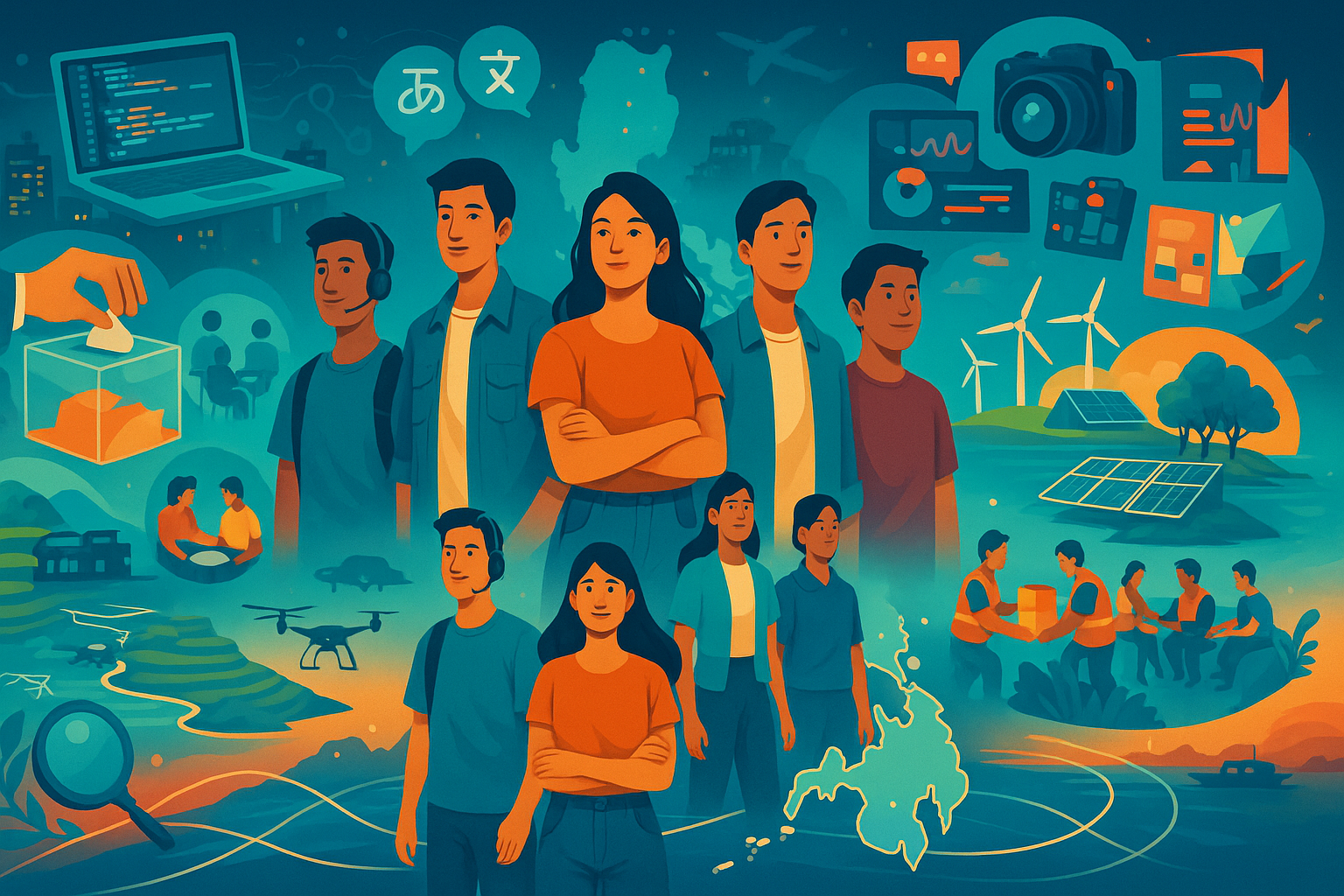
Globalization does not merely affect jobs and technology; it reshapes families and civic life. For Filipino youth, the social fabric is defined by close family ties, faith communities, and peer networks that extend online. Labor migration—so integral to the national story—reconfigures households as parents move abroad. Remittances can stabilize finances and fund education, yet physical separation alters caregiving and emotional support. Schools and barangay programs that offer mentorship, extracurriculars, and counseling help fill these gaps, ensuring young people feel anchored.
Community is also a site of agency. The Philippines has a strong culture of volunteerism, particularly visible during disasters. Youth groups organize relief operations, map hazards, and use digital tools to coordinate donations. These experiences build leadership and civic imagination. Structures like the Sangguniang Kabataan provide a training ground for participatory governance, though outcomes depend on transparency, training, and inclusive practices that reach beyond the already engaged.
Digital life brings connection and risk. Social platforms enable youth to create movements, crowdfund causes, and amplify local stories to global audiences. At the same time, harassment, addictive design, and misinformation can distort debate and harm mental health. Media literacy is essential: learning to verify sources, trace funding, and map narrative frames should sit alongside writing and mathematics. Student newspapers, youth podcasts, and campus debates can serve as laboratories for responsible speech and listening.
Health and well-being underpin social participation. Nutrition, reproductive health education, and access to mental health services remain uneven across regions. Youth-friendly clinics, mobile counseling, and confidential hotlines widen reach, especially for those navigating identity, relationships, or family stress. Faith-based organizations and campus ministries can collaborate with health professionals to reduce stigma while maintaining trust.
Urbanization creates both opportunity and strain. In Metro Manila and regional centers, young people chase education and work but face congestion, high rents, and long commutes that erode study time and social life. Safer streets, reliable transport, and public spaces invite cultural events, sports, and informal learning. In rural communities, the central challenge is often opportunity density—fewer internships, labs, and mentors. Digital hubs, regional scholarships tied to local industries, and exchange programs can counterbalance this.
Civic hope endures. When youth see fair rules, they invest time and skill; when they encounter corruption or tokenism, they disengage. Strengthening procurement transparency, open data, and citizen feedback loops signals respect for youth intelligence and time. Globalization offers a larger stage for Filipino voices—through climate diplomacy, social entrepreneurship, and cultural production. The task is to ensure that pathways into public life are real, supported, and open to all young people, not just the well-connected.
