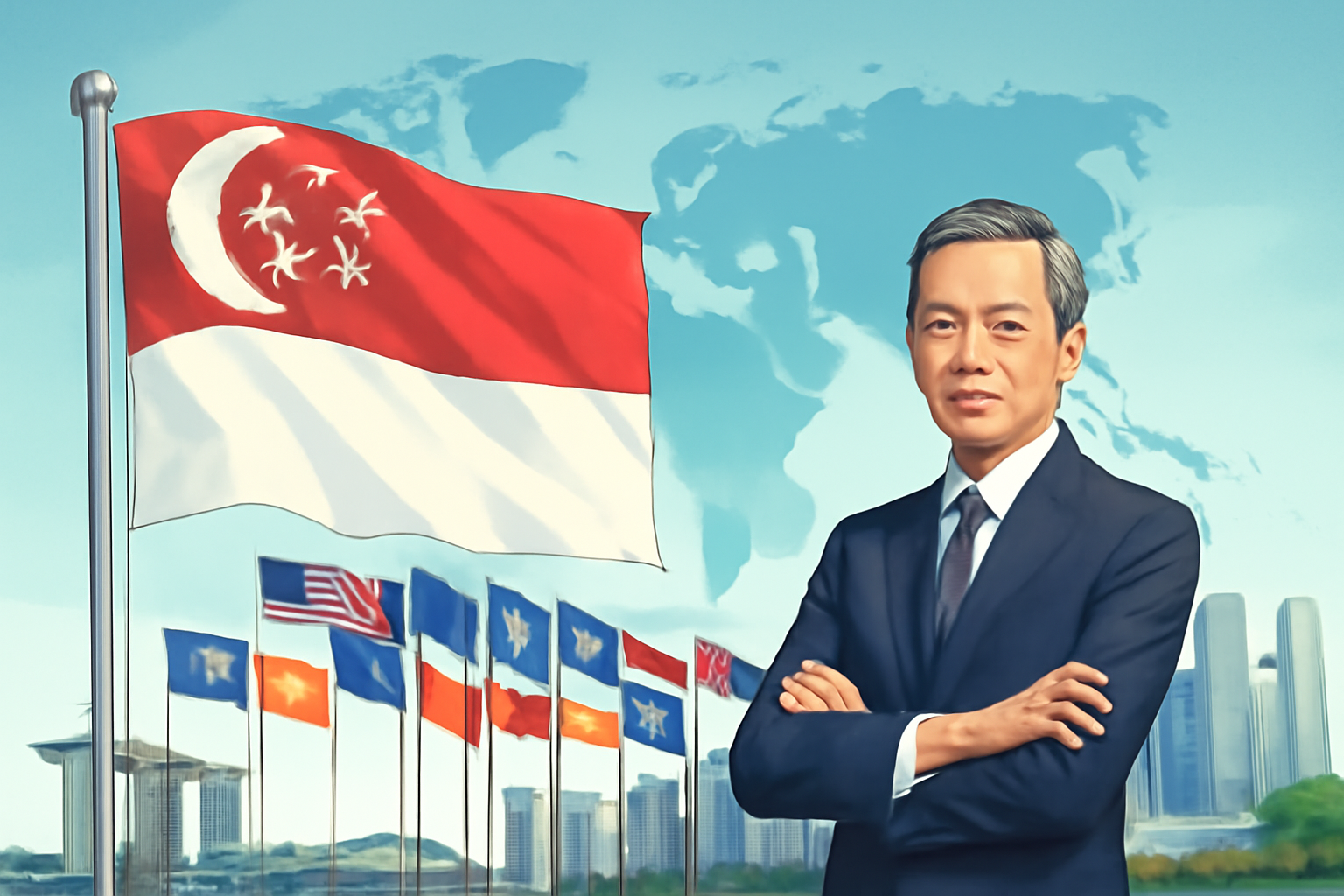
As a small island nation with limited natural resources, Singapore might seem like an unlikely contender in the realm of global diplomacy. However, the city-state has carved out a significant niche for itself, leveraging its strategic location, economic strength, and diplomatic neutrality to become a key player in international affairs. Despite its small size, Singapore has consistently punched above its weight in shaping global policies and maintaining peace.
One of the main pillars of Singapore’s success in diplomacy is its commitment to neutrality. The country has long adhered to a policy of non-alignment, seeking to avoid being drawn into the geopolitical struggles that often plague larger nations. This neutrality has enabled Singapore to foster strong relationships with a diverse range of countries, from the United States and China to its Southeast Asian neighbors. Singapore’s ability to maintain positive relations with countries across the political spectrum has made it an invaluable diplomatic asset.
Additionally, Singapore’s economic strength has bolstered its diplomatic standing. As one of the world’s leading financial centers and a major global shipping hub, Singapore wields considerable economic influence. The country has used this economic power to form trade agreements and partnerships with nations around the world. Through initiatives such as the Comprehensive and Progressive Agreement for Trans-Pacific Partnership (CPTPP), Singapore has further cemented its role as a key player in global economic affairs. Its open economy and commitment to free trade have allowed it to thrive in a highly competitive global market, and in doing so, it has enhanced its diplomatic clout.
Singapore has also used its membership in international organizations to enhance its diplomatic influence. As an active member of the United Nations, ASEAN, and the World Trade Organization, Singapore has been a vocal advocate for multilateralism and international cooperation. The city-state has taken a leadership role in various regional and global initiatives, particularly in the areas of economic integration, environmental sustainability, and security. Singapore’s participation in organizations like ASEAN has also enabled it to mediate regional disputes and promote stability in Southeast Asia.
A defining characteristic of Singapore’s diplomatic strategy is its focus on peacebuilding. The country has served as a neutral ground for peace negotiations, hosting high-profile summits and discussions aimed at resolving conflicts. Perhaps the most notable example of this was Singapore’s role in facilitating the 2018 summit between U.S. President Donald Trump and North Korean leader Kim Jong-un. By providing a neutral venue for the talks, Singapore demonstrated its diplomatic capabilities and reinforced its reputation as a trusted mediator in global conflicts.
Singapore’s diplomatic efforts are also shaped by its commitment to fostering sustainable development and tackling global challenges such as climate change and terrorism. The country has actively participated in international initiatives aimed at addressing these issues, further enhancing its role as a responsible global actor. Its advocacy for sustainable development, coupled with its experience in urban planning and green technology, has positioned Singapore as a leader in environmental diplomacy.
The city-state’s ability to navigate global challenges, maintain neutrality, and build strong diplomatic relationships has allowed it to carve out a significant role in international diplomacy. Singapore’s success serves as an inspiring example of how small nations can make a meaningful impact on the world stage. By prioritizing diplomacy, economic cooperation, and global peace, Singapore has demonstrated that size is not a barrier to diplomatic influence.
