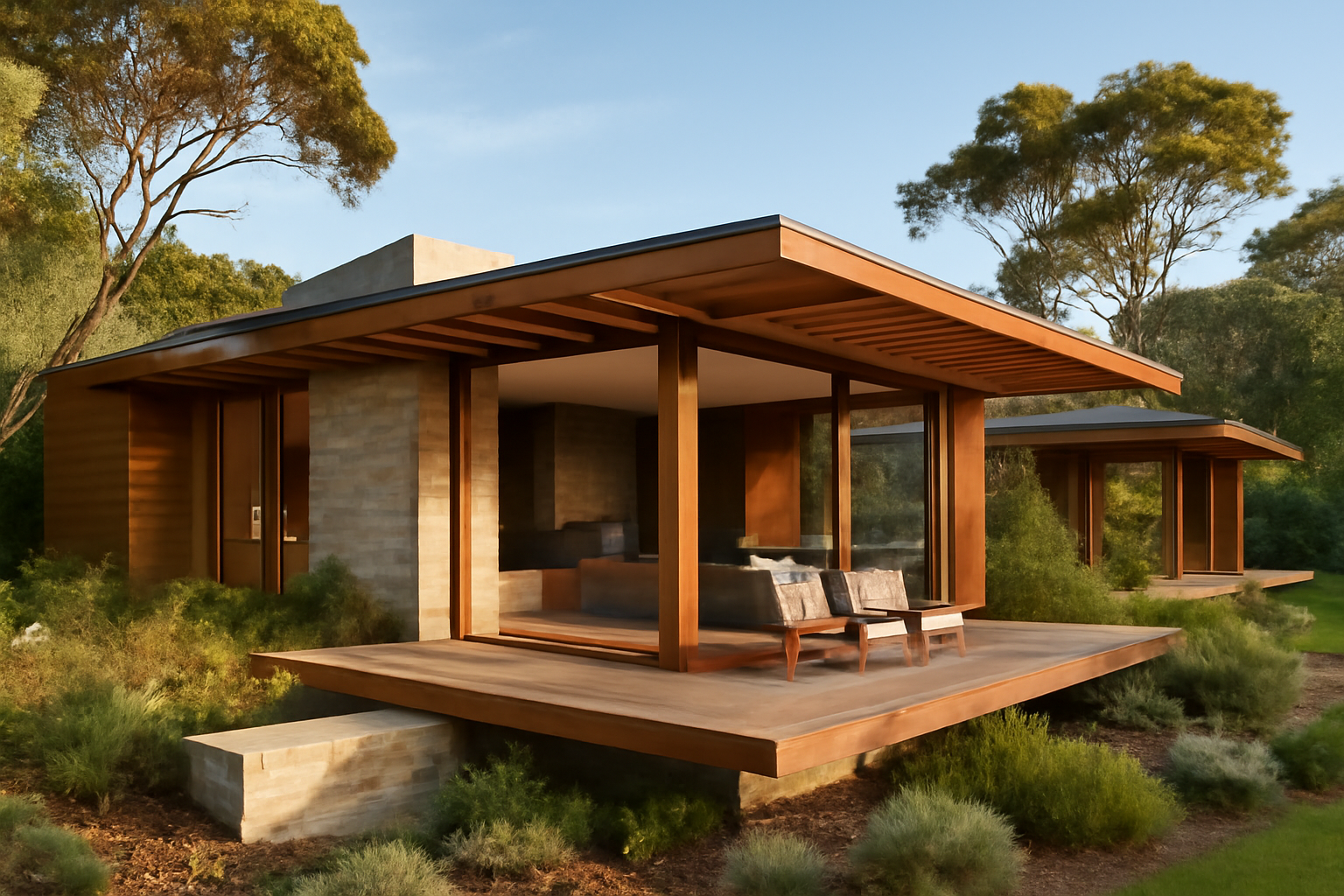
In Australia, architecture is more than just a design choice; it is a reflection of the country’s relationship with its natural surroundings. Modern Australian architecture has developed a unique style that embraces the natural world while incorporating contemporary design principles. From eco-friendly homes to public buildings, architects are increasingly focused on sustainability, creating spaces that are in tune with both the environment and the needs of the people who inhabit them.
The use of natural materials is a defining characteristic of modern Australian architecture. Timber, stone, and glass are frequently employed to create structures that feel both grounded and contemporary. The wide use of glass allows buildings to integrate with the outdoors, allowing natural light to flood interiors while offering breathtaking views of the surrounding environment. These design elements foster a sense of openness and connection to the land, making the natural world an integral part of the living experience.
One of the key innovations in Australian architecture is the use of passive design. By orienting buildings to take advantage of the sun’s natural warmth and light, architects can create homes that stay naturally warm in the winter and cool in the summer. This reduces the need for artificial heating and cooling, thus conserving energy and lowering a building’s environmental impact. Other sustainable design strategies, such as natural ventilation and the use of thermal mass, ensure that Australian buildings remain comfortable without compromising on energy efficiency.
Outdoor living spaces are a significant component of Australian homes. With the country’s favorable climate, many homes are designed with expansive decks, patios, and courtyards. These outdoor spaces allow residents to enjoy the beauty of nature while also providing additional living areas for relaxation and entertainment. The emphasis on outdoor living reflects the Australian lifestyle, where people spend a great deal of time outside enjoying the weather, fresh air, and beautiful landscapes.
The influence of indigenous Australian culture is also evident in modern architecture. Many architects look to Aboriginal art, symbols, and design traditions for inspiration, incorporating these elements into contemporary buildings. This connection to the past helps reinforce a sense of place and identity, while also fostering a deeper connection between people and the land. By respecting and incorporating indigenous heritage into design, architects create buildings that not only reflect the country’s rich cultural history but also honor its natural beauty.
Sustainability is at the core of modern Australian architecture. In addition to passive design and the use of natural materials, many buildings incorporate green roofs, solar panels, and rainwater harvesting systems. These features contribute to a more sustainable and environmentally friendly way of life, helping reduce a building’s energy consumption and carbon footprint. Cities like Sydney, Melbourne, and Brisbane are leading the way in sustainable urban architecture, with new buildings designed to be energy-efficient, environmentally responsible, and comfortable.
Coastal architecture in Australia is another area where modern design meets the natural world. Homes along the coastline are often built with large windows and open-plan designs, allowing residents to take advantage of the spectacular views of the ocean. These homes are also designed to withstand the harsh coastal climate, with materials and structures that are resilient to saltwater and strong winds. Sustainable features such as solar panels and water-saving technologies are often integrated into these homes, ensuring they have minimal environmental impact while providing maximum comfort.
Innovation is key to the ongoing evolution of Australian architecture. Architects continue to experiment with new materials, technologies, and designs that challenge conventional ideas of what a building can be. From cutting-edge skyscrapers to rural retreats that blend seamlessly into the landscape, the architectural landscape of Australia is diverse, dynamic, and forward-thinking.
Ultimately, Australian architecture represents a harmonious balance between modern design and the natural environment. By blending sustainability, innovation, and respect for the land, Australian architects are creating spaces that are not only visually striking but also in tune with the environment.
