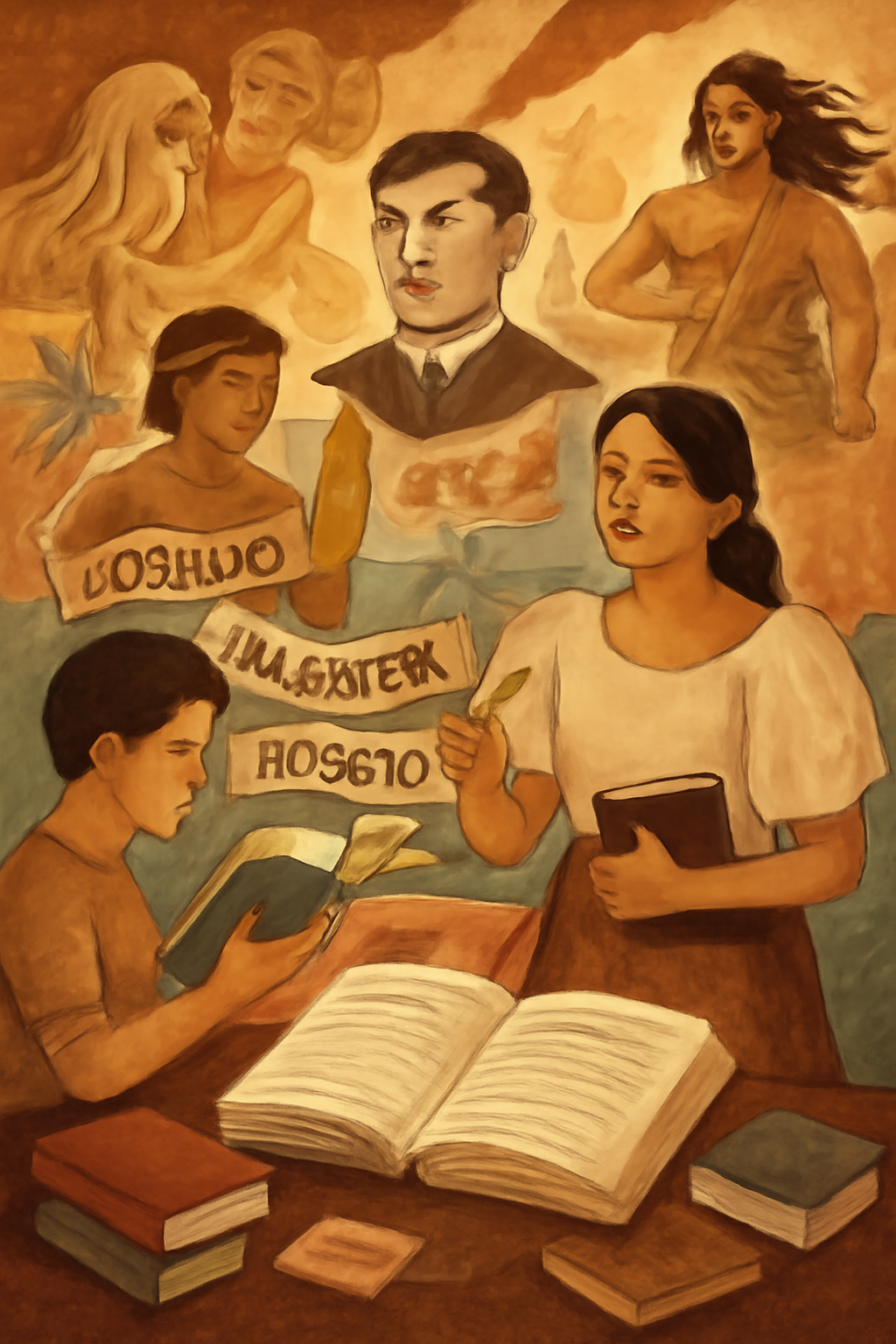
The literary tradition of the Philippines is a tapestry of cultural, historical, and linguistic influences that together reflect the diverse and dynamic identity of the nation. From its earliest forms of oral storytelling to the modern written works of contemporary authors, Filipino literature has always been a mirror of the country’s evolution. Language, in particular, plays a central role in this literary journey, acting as both a unifying force and a reflection of the complexities within Filipino society.
The linguistic diversity of the Philippines is one of its defining characteristics. With over 170 languages spoken across the archipelago, the country’s people have created a vibrant literary landscape. Filipino, which is based on the Tagalog language, was designated as the national language in the 20th century to promote unity. Despite the rise of Filipino, many regional languages like Cebuano, Ilocano, and Waray continue to thrive, contributing their distinct literary traditions to the national fabric.
Pre-colonial Philippine literature was primarily oral, passed down through generations in the form of epic stories, proverbs, and poetry. These works were rich in symbolism and often conveyed the values of the community, including respect for nature, bravery, and familial ties. *The Biag ni Lam-ang and Hinilawod are classic examples of these early narratives, offering insight into the lives and beliefs of pre-colonial Filipinos.
The arrival of Spanish colonizers in the 16th century brought about significant shifts in language and literature. The Spanish introduced Christianity and formal education, both of which became themes in the literature of the time. Filipino writers began to compose religious texts and poetic works in Spanish, creating a fusion of indigenous and colonial influences. Figures like José Rizal and Francisco Balagtas rose to prominence during this period, using literature as a tool to critique colonial rule.
Rizal’s novels, Noli Me Tangere and El Filibusterismo, played a pivotal role in the Philippine revolution against Spanish oppression. Through these works, Rizal inspired a generation of Filipinos to question colonial authority and fight for independence. His literary contributions have made him a key figure in shaping Filipino identity.
The American colonial period introduced English as a language of instruction and governance, leading to a new era of Filipino literature. Filipino writers began experimenting with English, blending it with local sensibilities to create a unique literary voice. Writers like Nick Joaquin and F. Sionil José explored the tensions between Filipino traditions and Western influences, offering poignant reflections on the complexities of identity and culture.
In the post-colonial era, literature became a vehicle for political expression. The martial law period under Ferdinand Marcos in the 1970s saw the rise of writers like Ninotchka Rosca, who used their works to protest the authoritarian regime and advocate for democratic ideals. The restoration of democracy in the 1980s further energized the literary community, with writers delving into issues of social justice, poverty, and the evolving Filipino identity.
Contemporary Filipino literature continues to thrive, with writers such as Lourd de Veyra and Miguel Syjuco exploring topics like globalization, identity, and the changing role of the Philippines in the global community. Literature remains an essential part of the nation’s cultural dialogue, providing a platform for Filipinos to express their concerns, celebrate their heritage, and reflect on their place in the world.
In conclusion, the literature of the Philippines is a testament to the resilience and creativity of its people. Through the centuries, Filipino writers have used language as a tool for self-expression, resistance, and cultural preservation. Today, Philippine literature continues to evolve, reflecting the ongoing journey of a nation grappling with its past and looking toward its future.
