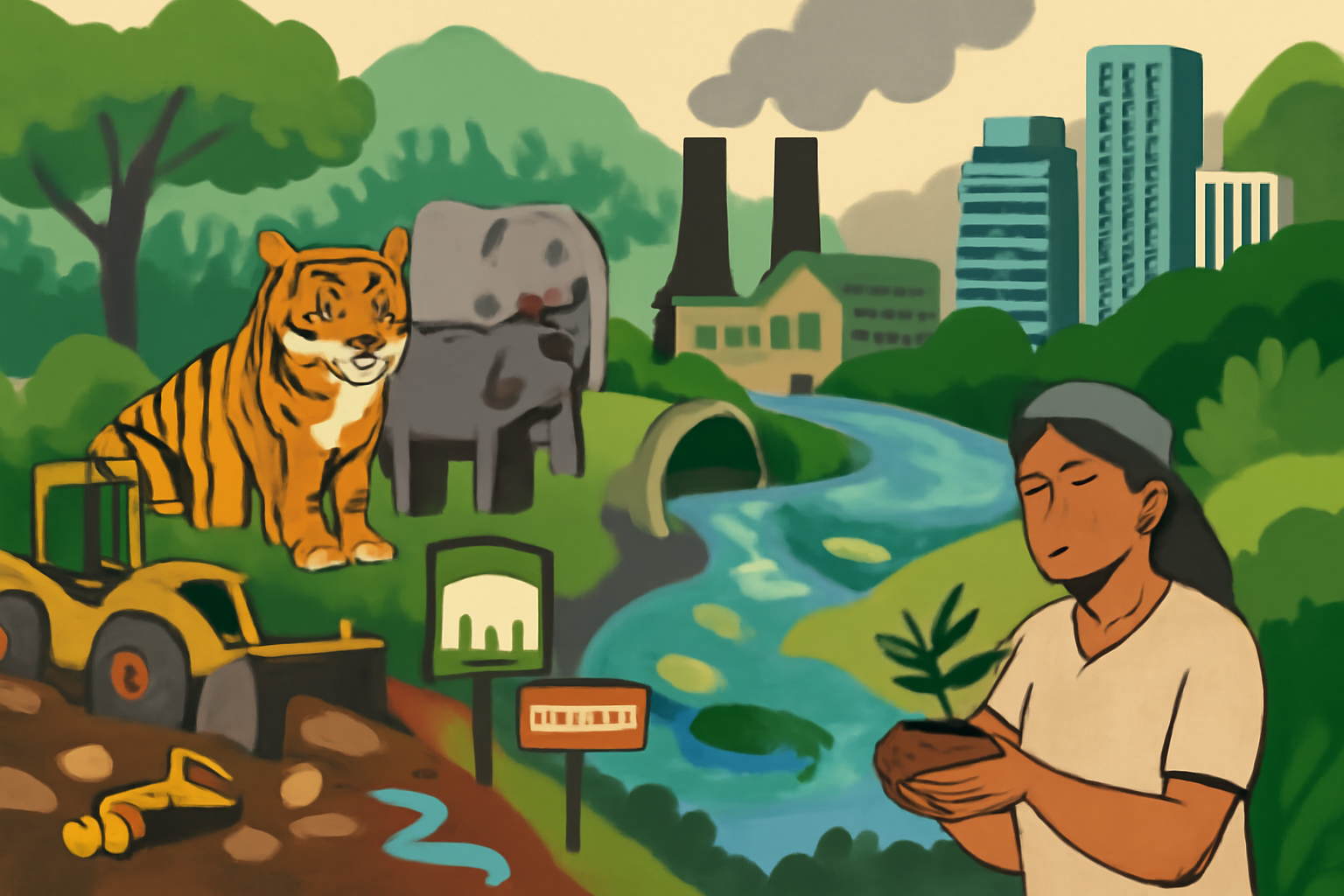
Malaysia, a country blessed with incredible biodiversity, is grappling with several environmental issues that pose a threat to its ecosystems. While the situation may seem dire, there are various conservation initiatives aimed at protecting the nation’s unique natural resources. Addressing deforestation, pollution, and sustainable land use are key areas where Malaysia is focusing its efforts.
Deforestation and Habitat Loss
Deforestation in Malaysia, particularly for palm oil plantations, has led to massive habitat loss. The country’s tropical rainforests are home to some of the most diverse species on the planet, but widespread logging and land clearance have reduced these habitats significantly. Endangered species such as the Malayan tiger, Bornean orangutan, and pygmy elephant are at risk of extinction due to the loss of their natural habitats.
To address this, Malaysia has implemented conservation strategies such as the establishment of national parks and wildlife reserves. The government is also working to ensure that palm oil plantations adhere to sustainability standards to minimize environmental damage. Though these efforts have made some impact, continuous monitoring and stricter enforcement are necessary.
Pollution: A Growing Threat
The rapid industrialization of Malaysia has resulted in air, water, and land pollution. The air quality in urban areas is a growing concern, and the rivers, once clear and clean, are now contaminated with industrial waste, sewage, and plastic debris. This pollution poses serious risks not only to wildlife but also to human health, especially in areas near industrial zones.
Malaysia has introduced various measures to tackle pollution, including initiatives to reduce plastic waste, encourage recycling, and regulate industrial discharge. Programs like the “Clean Malaysia” campaign aim to raise public awareness and involve citizens in waste reduction efforts. However, pollution continues to be a major challenge, and more comprehensive solutions are required to address this issue effectively.
Efforts in Conservation and Sustainability
In response to the environmental challenges, Malaysia has invested in conservation programs aimed at protecting its biodiversity. The creation of national parks such as Taman Negara and Gunung Mulu, which are UNESCO World Heritage Sites, has helped safeguard critical ecosystems. Furthermore, Malaysia has committed to sustainable development practices, including sustainable agriculture and forestry.
In addition, the rise of corporate social responsibility (CSR) programs within the private sector has encouraged businesses to adopt more sustainable practices. For example, several palm oil producers are now certified under the Roundtable on Sustainable Palm Oil (RSPO) standards, which promote environmentally friendly production methods.
The Role of Community-Based Conservation
One of the most promising approaches to conservation in Malaysia is community-based conservation. By involving local communities in protecting natural resources, Malaysia ensures that conservation efforts are both effective and sustainable. Eco-tourism, which relies on the preservation of natural areas, provides financial incentives for local communities to engage in conservation activities.
The government has also supported these initiatives by providing training and funding for local conservation projects, thereby encouraging grassroots participation in protecting the environment.
Conclusion
The environmental challenges Malaysia faces are significant, but the efforts underway to preserve its natural heritage are commendable. With stronger regulations, sustainable practices, and community involvement, Malaysia can address these challenges and ensure that its environment remains protected for future generations.
