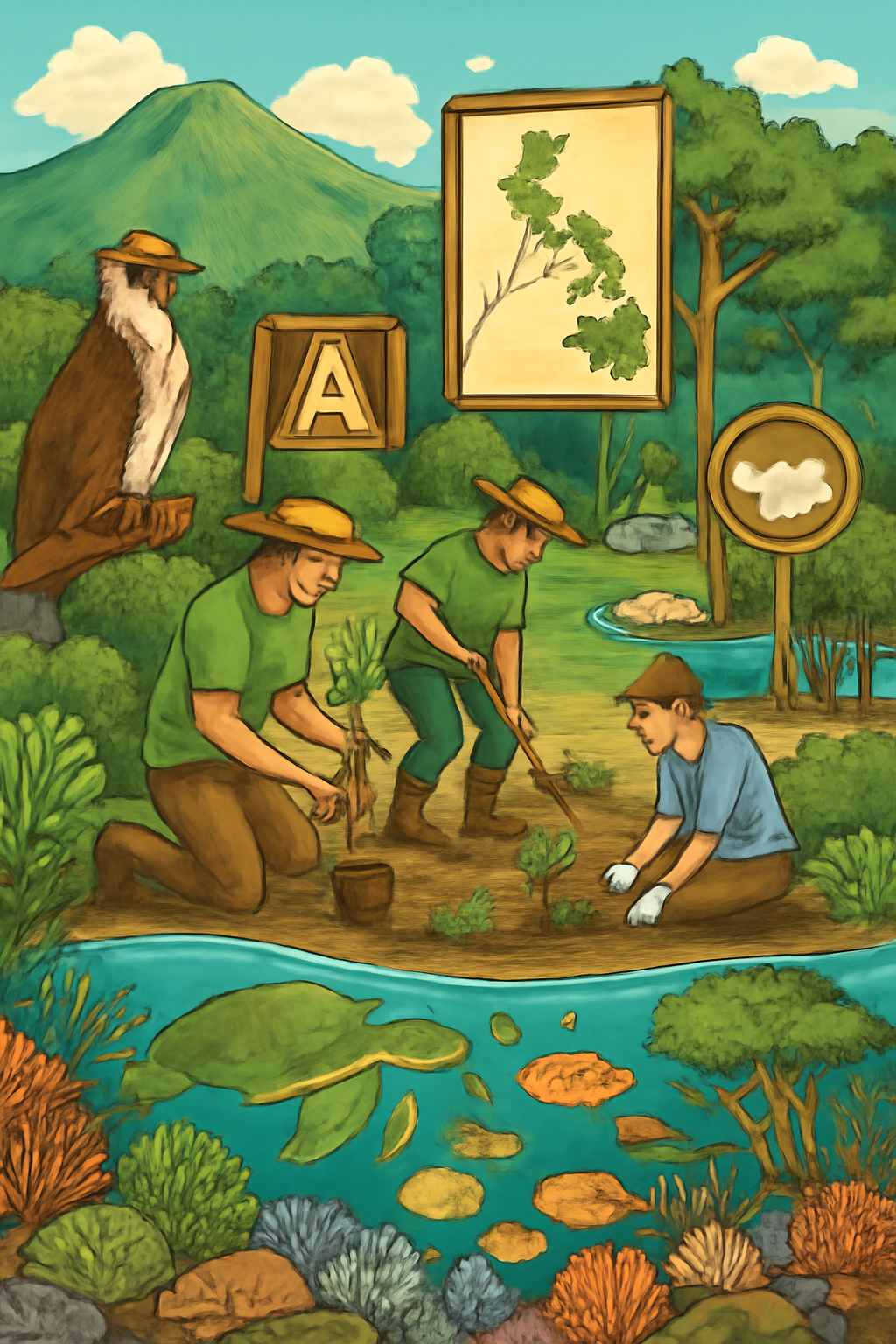
The Philippines, an island nation located in the Pacific Ocean, is known for its unparalleled natural beauty and biodiversity. However, the country’s ecosystems face numerous threats from human activities, including deforestation, pollution, and illegal poaching. In response, both the government and various environmental groups are working together to implement a wide range of conservation efforts that protect the Philippines’ most precious natural resources.
The government’s National Integrated Protected Areas System (NIPAS) Law has created a framework for safeguarding biodiversity hotspots in the country. This legislation has led to the establishment of numerous protected areas, including some of the country’s most famous natural reserves like the Banaue Rice Terraces and the Batanes Protected Landscape. These areas serve as critical refuges for endangered species, as well as important cultural landmarks.
Another major conservation effort is the government’s National Greening Program (NGP), which aims to reforest degraded areas and reduce the impacts of soil erosion and flooding. This program has been pivotal in restoring vast areas of deforested land, helping to mitigate the environmental effects of logging and land conversion. Local communities, through participatory programs, have been engaged in tree planting and forest management, ensuring that the restoration efforts are both effective and sustainable.
In addition to terrestrial conservation, marine biodiversity protection is a priority in the Philippines. The country is home to some of the world’s most diverse marine ecosystems, particularly in regions like Palawan and the Sulu Sea. Marine protected areas (MPAs) have been established to protect coral reefs, seagrass beds, and mangrove forests, all of which provide vital services to the environment, such as coastal protection and carbon sequestration.
However, there are still numerous challenges that hinder the success of conservation efforts. Illegal activities such as illegal fishing, logging, and mining continue to be widespread in some areas. The Philippines has enacted laws to protect the environment, such as the Clean Water Act and the Ecological Solid Waste Management Act, but enforcement remains a challenge. Public awareness campaigns and community engagement are crucial in building a culture of environmental stewardship.
Despite these obstacles, the Philippines continues to make progress in environmental conservation. Collaborative efforts between government agencies, local communities, and NGOs are driving meaningful change, offering hope for a more sustainable future for the country’s unique ecosystems.
