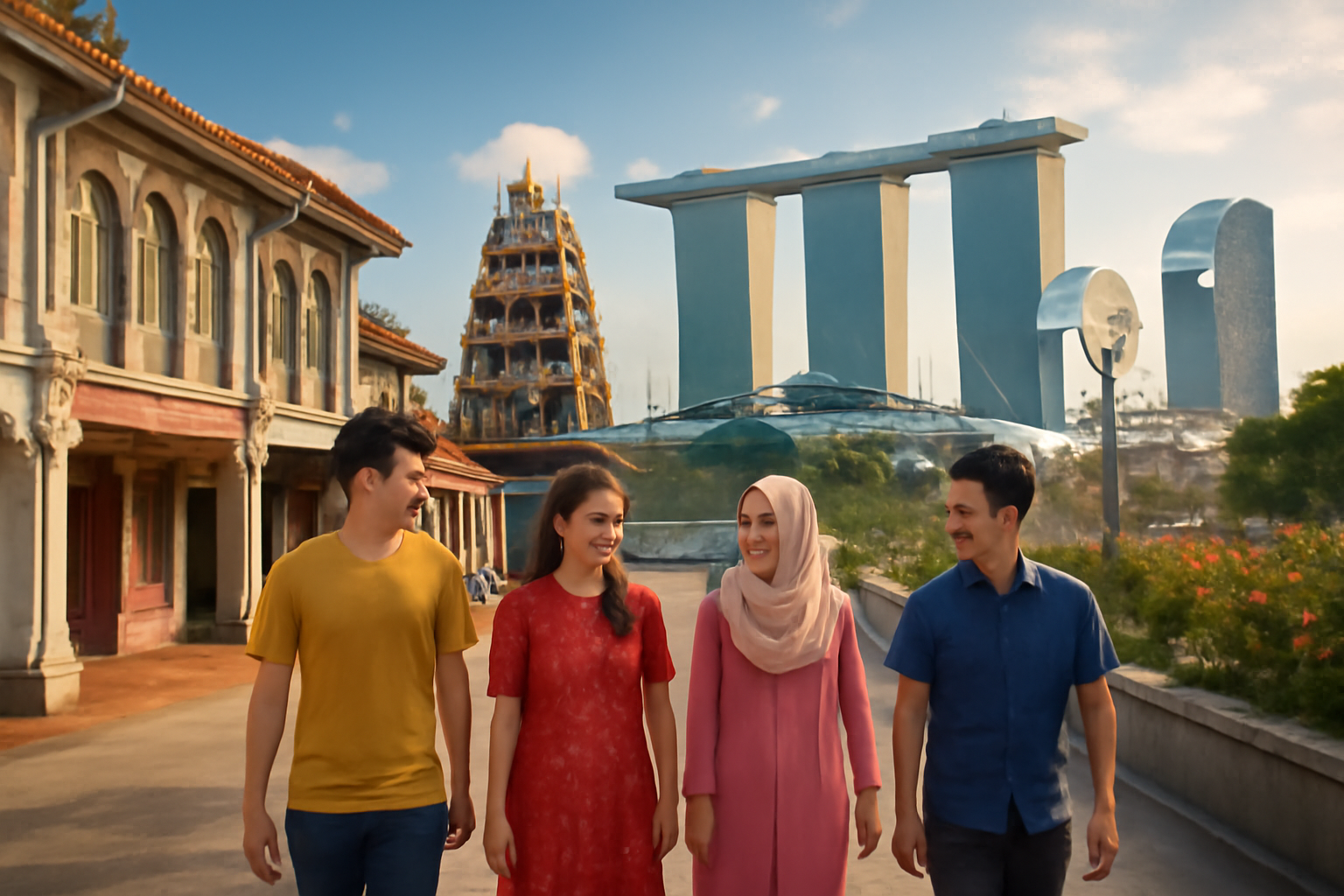
Singapore is often celebrated as one of the most modern cities in the world, with a skyline filled with towering skyscrapers, innovative infrastructure, and a bustling economy. However, beneath the surface of this modern metropolis lies a deep respect for tradition and cultural heritage. Social life in Singapore is an intricate dance between the old and the new, where modernity and tradition coexist harmoniously to create a unique and vibrant society.
Cultural Heritage at the Heart of Society
Singapore’s social life is deeply shaped by its multicultural makeup. The country is home to a variety of ethnic groups, including the Chinese, Malays, Indians, and others, each contributing to the country’s rich cultural landscape. This diversity is most evident in the country’s festivals, which are celebrated with enthusiasm by people from all walks of life. Whether it’s the Chinese New Year, Hari Raya Puasa, or Deepavali, these celebrations serve as a reminder of the importance of cultural heritage and the shared values that unite Singaporeans.
The government’s policies have played a crucial role in promoting racial harmony and fostering a sense of belonging among its citizens. For instance, ethnic enclaves such as Chinatown, Little India, and Kampong Glam not only serve as cultural hubs but also reflect the respect for each group’s historical significance in shaping the nation’s identity.
Modern Innovations in a Cultural Context
While Singapore values its traditions, it is equally known for its rapid modernization and technological advancements. The city is a shining example of urban planning, with its futuristic buildings, cutting-edge public transportation systems, and world-class infrastructure. Singapore is also at the forefront of sustainability, with projects like the Supertree Grove in Gardens by the Bay and the Smart Nation initiative aiming to integrate technology and environmental consciousness.
The key to Singapore’s success lies in its ability to integrate the modern and the traditional. Historical landmarks and cultural spaces are preserved within the fabric of a highly developed urban environment. This approach allows the city to maintain its identity while continuously evolving to meet the needs of its citizens in an ever-changing world.
Balancing Tradition and Innovation in Daily Life
Singaporeans are raised with an appreciation for both tradition and progress. The value of family remains central to Singaporean life, with a strong emphasis on filial piety and respect for elders. At the same time, modern Singapore encourages individuals to pursue their ambitions, whether in education, the workplace, or personal development.
In the workplace, the combination of traditional values and modern skills creates a dynamic and hardworking workforce. The Singaporean work ethic is rooted in respect, discipline, and teamwork, but it also emphasizes creativity, innovation, and global competitiveness. This balance ensures that Singapore remains one of the most successful and forward-thinking economies in the world.
Conclusion
The social life in Singapore is a testament to how tradition and modernity can coexist and complement each other. The city’s rich cultural heritage continues to thrive, even as it embraces technological advancements and urbanization. Singapore’s ability to blend the old with the new makes it a unique model for other cities, showcasing that progress need not come at the expense of cultural identity.
