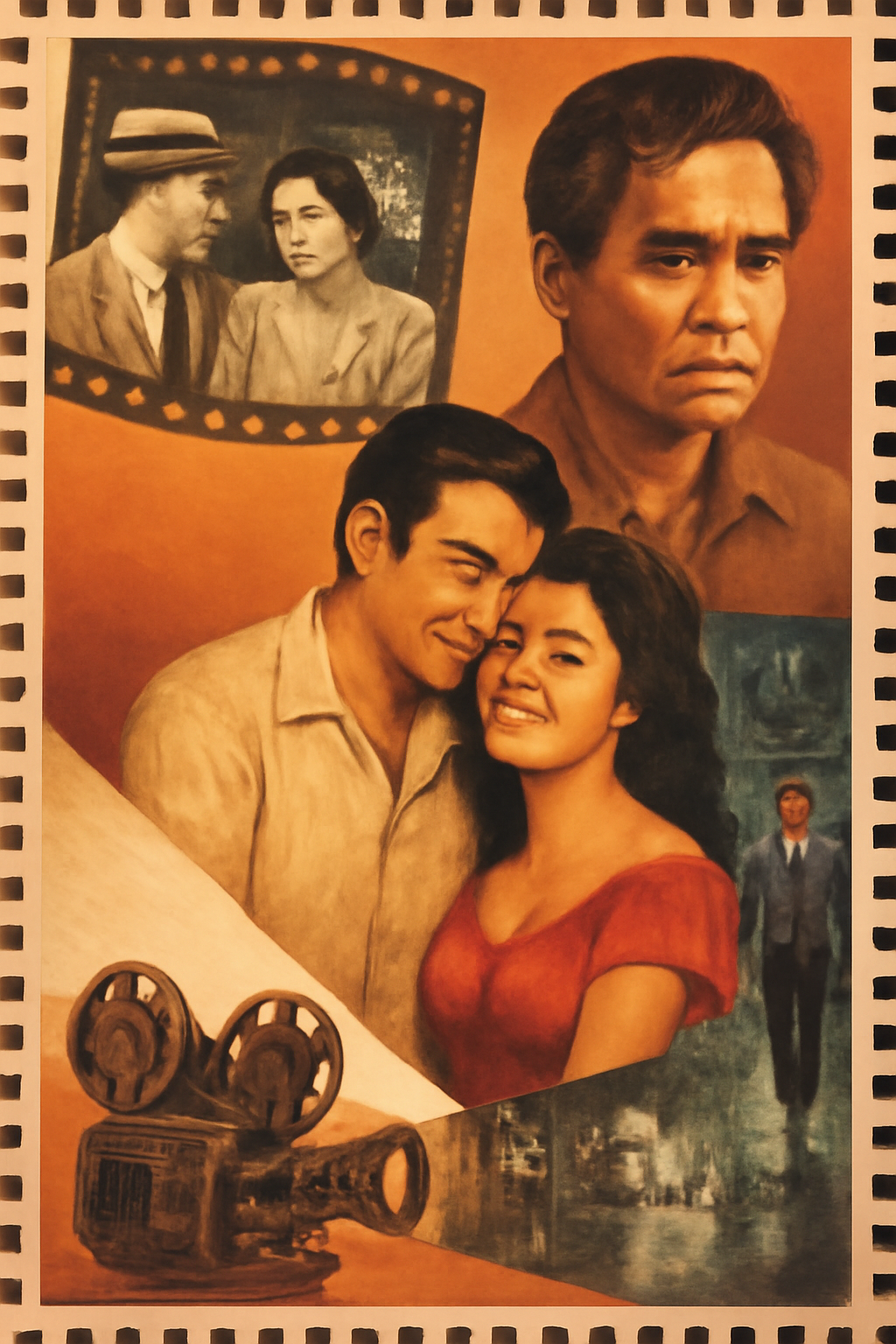
The history of Philippine cinema is an intricate reflection of the country’s political, social, and cultural shifts. Philippine cinema began in 1897 with the screening of Workers Leaving the Lumière Factory, a film by the Lumière brothers, marking the introduction of cinema to the country. However, it was not until the 1910s that Filipino filmmakers began to create their own films. In 1919, Dalagang Bukid was released, the first full-length film produced in the Philippines. The film’s success marked the beginning of a thriving film culture in the country.
Throughout the early 20th century, the Philippine film industry was heavily influenced by American cinema, particularly after the Philippines became a U.S. colony. This American influence shaped the early years of the film industry, with many Filipino films adopting Hollywood styles and genres. However, by the 1930s, Filipino filmmakers started to establish their own identity. The emergence of major film studios, such as LVN Pictures and Sampaguita Pictures, in the 1930s led to the production of films that were more culturally aligned with the Filipino experience, focusing on local themes, folklore, and the country’s complex history.
The 1940s and the Japanese occupation during World War II disrupted the burgeoning film industry, as many film studios were either destroyed or repurposed. Despite the devastation, the post-war era brought a resurgence in Filipino cinema, with the 1950s and 1960s marking what is considered the Golden Age of Philippine Cinema. This period was defined by high-quality productions, as filmmakers began to experiment with a variety of genres, from melodramas to historical epics. During this time, iconic actors like Fernando Poe Jr. became national celebrities, and films such as Anak ni Palaris became cultural milestones.
The political instability of the 1970s brought a new era of filmmaking. Under Ferdinand Marcos’s martial law, the film industry faced censorship, yet this repression also gave rise to filmmakers who used their craft as a tool for political resistance. Lino Brocka’s Maynila sa mga Kuko ng Liwanag (Manila in the Claws of Light) is one such example. The film, which explored the harsh realities of urban poverty and corruption, became a powerful commentary on the state of Philippine society under martial law.
The 1990s and 2000s saw the rise of independent filmmakers who challenged the traditional film industry. Filmmakers like Brillante Mendoza, Lav Diaz, and Raya Martin began experimenting with narrative structures, themes, and filmmaking techniques. Their films, such as Mendoza’s Kinatay and Diaz’s Batang West Side, received critical acclaim and brought Filipino cinema to the international stage. These filmmakers gained recognition at prestigious film festivals such as Cannes and Venice, establishing the Philippines as an important hub for art-house cinema.
Today, the Philippine film industry is diverse, with a combination of mainstream and independent films providing a wide spectrum of storytelling. The growth of digital filmmaking technologies has opened doors for independent filmmakers, allowing them to produce films with smaller budgets while reaching global audiences through online platforms and international festivals. The future of Philippine cinema looks promising, with new generations of filmmakers continuing to push boundaries and tackle important social issues.
