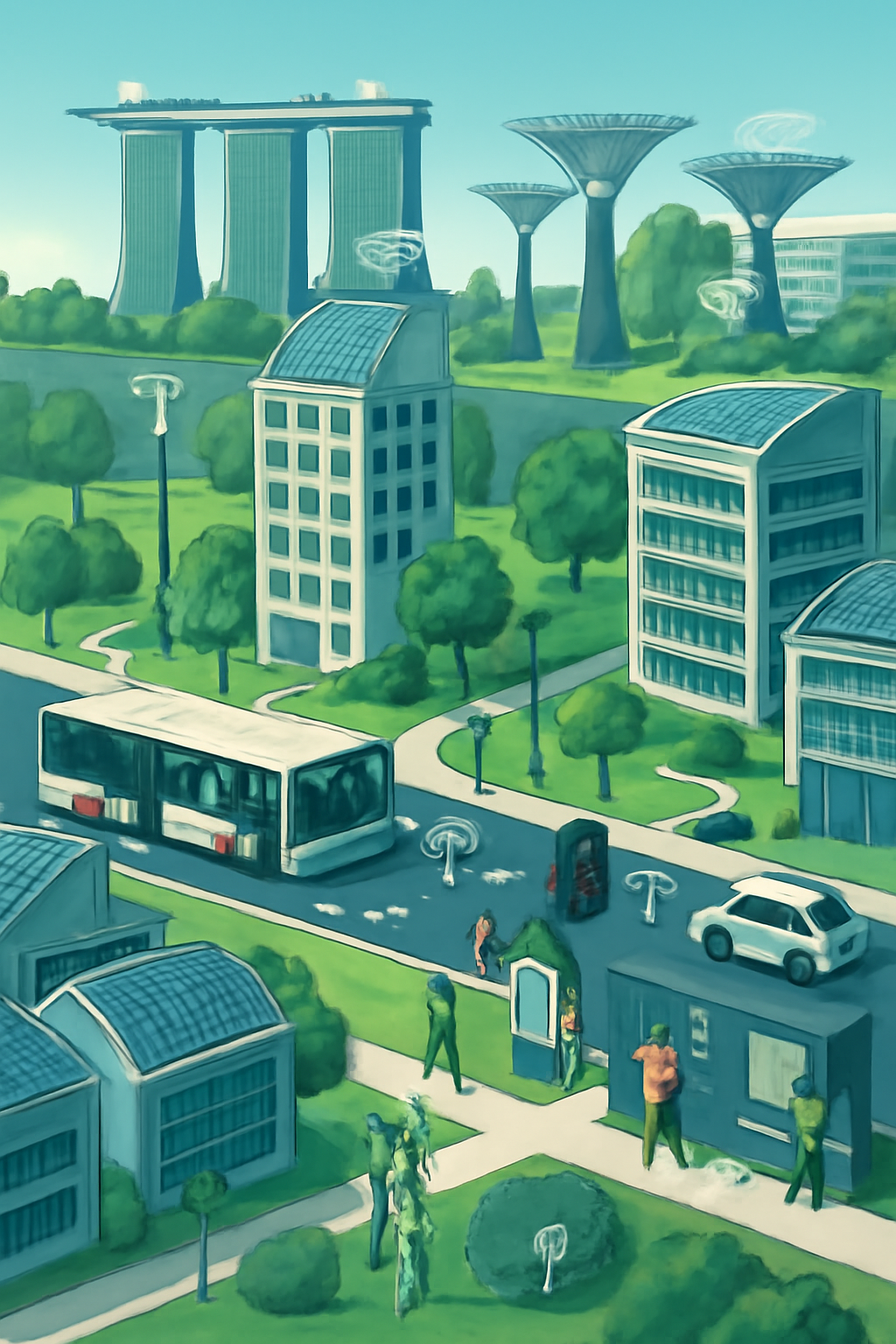
In the 21st century, technology is reshaping cities around the world, and Singapore stands as a shining example of how technology can revolutionize daily life. The city-state has been a pioneer in the development of smart cities, integrating digital tools into almost every aspect of urban living. Through its investments in infrastructure, public services, and sustainability initiatives, Singapore offers an exciting look into the future of urban living.
At the heart of Singapore’s smart city model is the use of advanced data analytics and sensor networks. These tools allow the city to collect vast amounts of information on everything from traffic congestion to weather patterns. This data is analyzed in real-time to provide insights that help improve public services and optimize resource usage. For example, smart traffic management systems adjust traffic light timings based on real-time traffic conditions, reducing congestion and improving the flow of vehicles.
Transportation in Singapore has become more efficient and accessible thanks to the integration of technology. Public transportation services are fully digitized, offering passengers real-time updates on bus and train schedules. The city’s MRT system, one of the most reliable in the world, has adopted contactless fare payments, enabling passengers to simply tap their cards for easy access. In addition, Singapore is testing autonomous buses and cars, which may soon become part of the city’s transportation landscape, reducing the reliance on human-driven vehicles.
The concept of smart homes is also gaining traction in Singapore, as more residences are designed with IoT-enabled devices. These homes feature automated systems for controlling lighting, climate, and security, all of which can be accessed remotely via smartphones. This technology not only enhances comfort but also promotes energy efficiency, allowing residents to monitor and control their energy consumption in real time.
Energy conservation is another key area where technology is playing a significant role. Singapore has implemented a smart grid system that helps to optimize the distribution of electricity. By monitoring demand and supply, the grid ensures that energy is used efficiently and that any excess power is stored or redirected to areas in need. Solar power is also widely utilized, with solar panels installed on rooftops to harness clean, renewable energy.
Sustainability initiatives extend to Singapore’s public spaces as well. Parks and green spaces are equipped with sensors that monitor air quality, temperature, and humidity levels, providing real-time information to citizens. Additionally, the city has adopted smart waste management systems that use sensors to track waste levels and optimize garbage collection routes, ensuring a cleaner and more efficient city.
The government’s role in this transformation has been pivotal. With initiatives like the Smart Nation program, Singapore has created a roadmap for its digital future, involving collaboration between the public and private sectors. This focus on innovation has allowed Singapore to stay ahead of the curve in terms of urban development and technological adoption.
In conclusion, Singapore’s transformation into a smart city demonstrates the immense potential of technology to improve daily life. By integrating advanced technologies into transportation, housing, energy, and public services, Singapore has created a model for other cities looking to enhance their urban landscapes.
