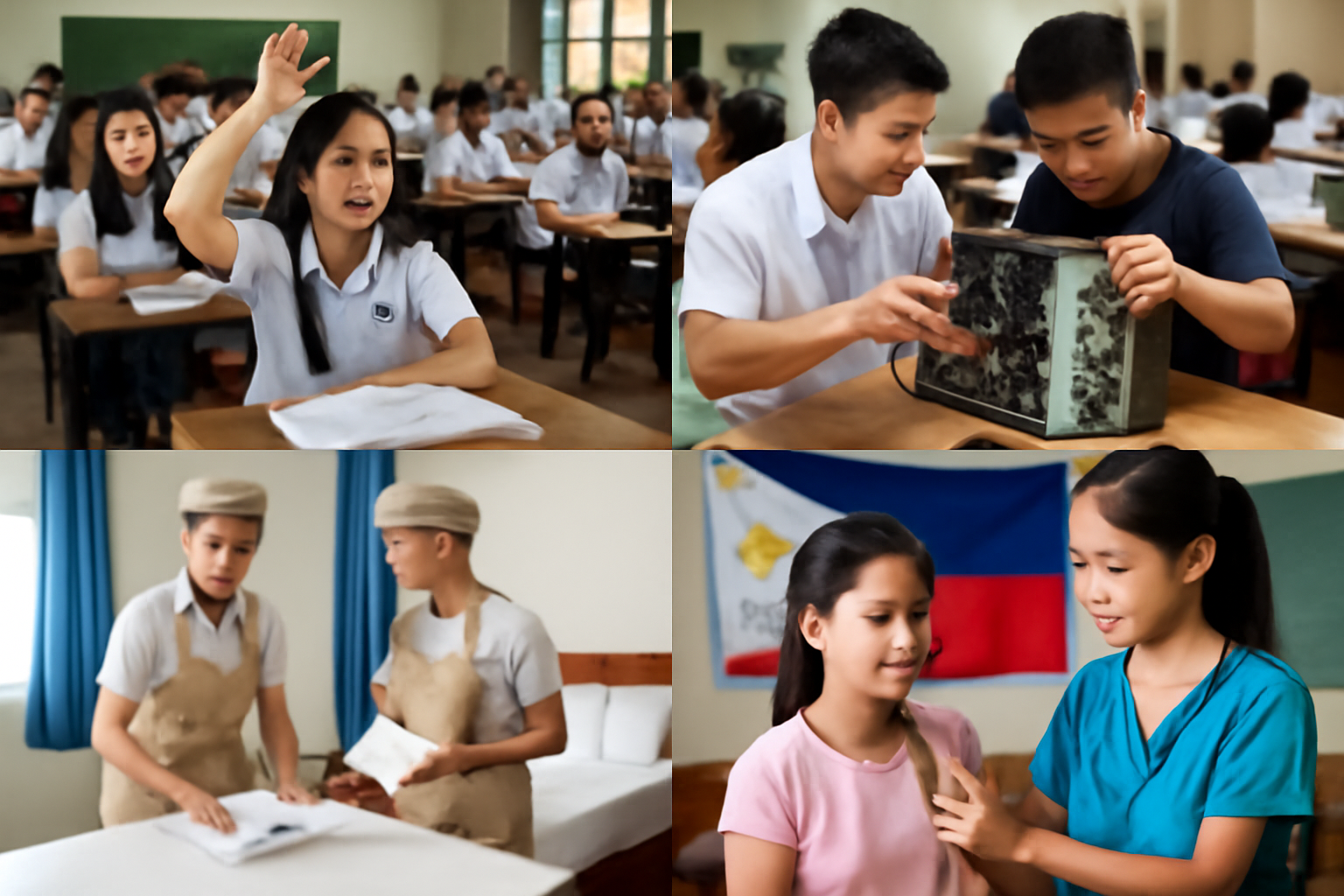
Education is a cornerstone of national development, and in the Philippines, it is seen as the key to unlocking the potential of future generations. The country’s education system has undergone significant reforms in recent years, with an increased emphasis on equipping students with the skills they need to thrive in an increasingly competitive world.
A major milestone in the reform of Philippine education was the introduction of the K-12 program, which added two years to the previous basic education cycle. This change was made to better align the education system with international standards and to ensure that students graduate with the knowledge and skills necessary to excel in the global economy. Under the K-12 system, students can specialize in various academic or vocational tracks, depending on their interests and career aspirations.
The vocational track is particularly important as it allows students to acquire technical skills that are in demand in industries such as electronics, automotive, and hospitality. This option is designed to help students secure employment soon after high school, making them valuable assets to the workforce. Moreover, it addresses the skills gap in the Philippine labor market, which has been a major issue in the past.
Additionally, the growing integration of technology in the classroom is another factor driving the competitiveness of the Philippine education system. With the proliferation of online learning platforms, students are now able to access a wealth of educational content, from interactive lessons to virtual simulations. This digital transformation not only improves access to education but also fosters critical thinking, creativity, and collaboration—skills that are essential for success in the modern workforce.
However, despite the advances in educational reform, there are still hurdles to overcome. One of the biggest challenges is addressing educational disparities between urban and rural regions. While metropolitan areas have relatively better resources, rural areas often face difficulties in terms of infrastructure, access to trained teachers, and availability of learning materials. Bridging this gap remains a top priority for the government to ensure that all students, regardless of their background, have an equal opportunity to succeed.
By continuing to invest in educational reforms and focusing on skills development, the Philippines is taking significant steps toward creating a future workforce that is globally competitive. Through a combination of academic rigor, vocational training, and technological integration, the country aims to cultivate the next generation of leaders, innovators, and skilled professionals.
