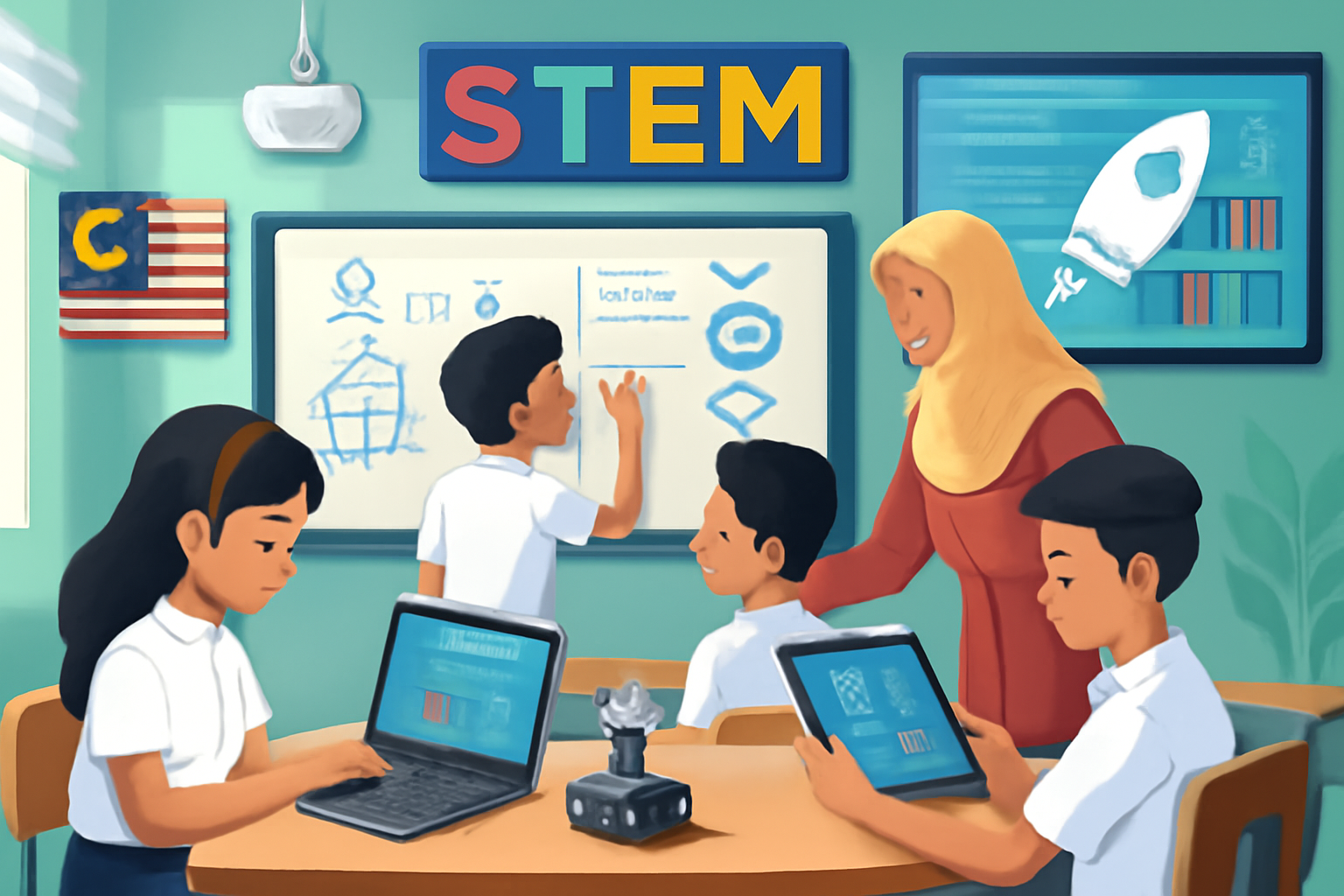
The Malaysian education system is recognized for its commitment to providing high-quality education to students across the nation. However, as the global economy shifts towards a knowledge-based society, the Malaysian government is making significant efforts to modernize its education system through innovative strategies, particularly in the realm of technology.
A Comprehensive Education System
The Malaysian education system comprises several stages, each designed to provide students with a solid foundation in academics and life skills. The system is structured to include preschool education, compulsory primary education, secondary education, and a broad range of tertiary education options. At the primary and secondary levels, students follow a national curriculum that emphasizes the study of languages, mathematics, science, and moral education.
Technological Integration in Schools
One of the key innovations in Malaysia’s education system is the integration of technology into the curriculum. The Malaysian government has recognized the importance of digital literacy in today’s global economy and has invested heavily in providing digital tools for students and teachers. The “1BestariNet” project is a major initiative aimed at providing high-speed internet to all schools in the country, ensuring that students can access online educational resources and participate in e-learning opportunities.
In addition to this, Malaysia’s “Smart Schools” program aims to equip schools with digital whiteboards, learning management systems, and virtual classrooms. These technologies are used to make learning more interactive and engaging for students. Teachers are also encouraged to use digital tools to enhance teaching methods, allowing for personalized and differentiated learning.
Addressing Inequality in Education
While technological innovations are a significant part of the education reforms, the digital divide remains a key challenge. Students in urban schools often have greater access to modern educational tools and resources, while those in rural areas may lack access to the same infrastructure. The government is working to address this inequality through initiatives like the 1BestariNet project, but more work is needed to ensure that all students have equal access to digital education.
The Role of Teacher Training
Another area of focus is improving the quality of teaching. The Malaysia Education Blueprint (2013-2025) emphasizes the importance of teacher professional development. Teachers are being trained to integrate technology into their classrooms effectively, as well as to foster critical thinking and problem-solving skills among their students. Professional development programs are designed to ensure that teachers are equipped with the latest teaching strategies and tools.
Conclusion
Malaysia’s education system is evolving through technological innovations and reforms. By focusing on improving teacher quality, integrating digital tools, and expanding access to education in rural areas, the country is striving to meet the demands of the 21st century. However, the challenges related to digital inequality and teacher readiness need to be addressed to fully realize the potential of these innovations.
